
Reviewed · CABO WHALE WATCHING
SMALL GROUP Whale Watch | Cabo San Lucas | Biologist | FREE Pics
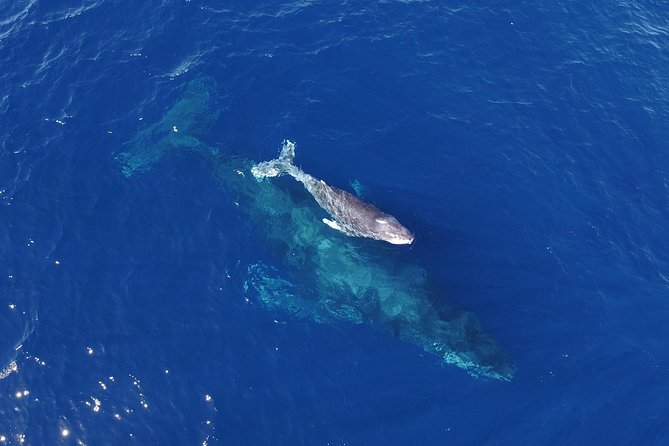
One good whale watch in Cabo can change your whole week. This one pairs a marine biologist-led outing with a small-group boat, plus free photo coverage as you chase humpbacks and other sea life. If conditions allow, you may also catch humpback songs through a hydrophone, and you’ll pass right by classic sights like The Arch and Pelican Rock.
I especially like that the crew focuses on responsible viewing, keeping distance and heading away from the crowds. A small boat also means you spend more time looking out the water and less time craning at strangers. One possible drawback: you’re out on the bay for roughly 2.5 hours, and the experience depends on weather, so plan for some choppy moments and bring something for motion sickness if you’re prone.
In This Review
- Key highlights worth planning around
- Cabo San Lucas whale season and what $109 really covers
- Where the tour starts: CaboPlaza Bonita and getting settled quickly
- First stop: El Arco photo time without the land crowd
- Lovers Beach and Pelican Rock: the bay’s natural boundary markers
- Out of the bay: where whale searching really happens
- Hearing humpback songs with a hydrophone
- Marine biologist-led lessons that make sightings click
- Free photos: how to get your best whale shots without stress
- What’s not included: water, transportation, and sustainability choices
- Seasickness and a 2.5-hour reality check
- How to choose the right day for whale success
- Who should book this Whale Watch Cabo tour
- Should you book Whale Watch Cabo?
- FAQ
- How long is the Cabo San Lucas whale watch?
- What is the price per person?
- How big is the group?
- Where do I meet the tour?
- What are the main sightings you look for?
- Is a hydrophone used during the whale watch?
- Are photos included?
- Is bottled water included?
Key highlights worth planning around
- Biologist narration: You’re not just spotting whales, you’re learning how humpbacks behave and what you’re seeing.
- Max 12 on board: Smaller groups make questions easier and sighting time feel less crowded.
- Iconic photo spots from the boat: Quick windows near El Arco (The Arch), Lovers Beach, and Pelican Rock help you get oriented fast.
- Humpback hydrophone: When conditions cooperate, humpback vocalizations can be heard via an underwater microphone.
- Free onboard photos: The crew photographs you during the trip and provides the images at no extra cost.
- Whale sightings guarantee (Dec 15–Apr 15): If you don’t see whales in the seasonal window, you can return for a second tour for free.
Whale season runs December to April. Here is where we would book
- SMALL GROUP Whale Watch | Cabo San Lucas | Biologist | FREE Pics
★ 5.0 · 1,106 reviews - Humpback Whales in Cabo San Lucas
★ 5.0 · 1,005 reviews - ZODIAC Whale Watch Tour | Cabo San Lucas | Biologist | FREE Pics
★ 5.0 · 365 reviews - Los Cabos Whale Watching (Transportation and Pictures Included)
★ 5.0 · 290 reviews
Cabo San Lucas whale season and what $109 really covers
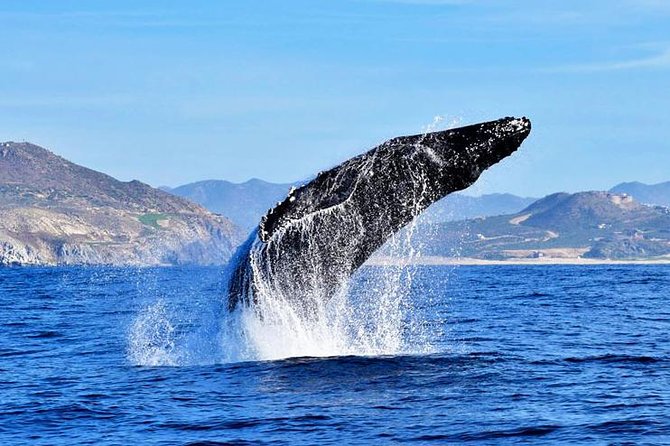
In Cabo, whale watching is mostly a seasonal game. This trip runs its whale sightings guarantee from December 15 to April 15, which lines up with the time of year when humpbacks are typically most reliably present. That matters because whale sightings aren’t 100% predictable anywhere. The value here is that you’re not paying just for a boat ride.
For $109 per person and about 2 hours 30 minutes, you’re getting a small boat experience led by a marine biologist, plus onboard restroom access. Add in free photos taken during the tour, and the total package becomes more like a guided wildlife outing than a basic sightseeing cruise. It’s also offered in English, so you’ll get the learning piece without translation gaps.
The practical catch: weather. Even the best whale routes slow down or reroute when seas get rough. The operation notes this directly: if conditions don’t cooperate, you’ll be offered another date or a full refund. So you’re buying flexibility as well as a chance at great sightings.
Where the tour starts: CaboPlaza Bonita and getting settled quickly
You meet at Whale Watch Cabo at CaboPlaza Bonita, on Blvd. Paseo de la Marina 17, Centro, Marina. The location is listed as near public transportation, which is handy because parking and traffic can be a pain around marina areas at peak times.
From there, you board a small vessel with life jackets in all sizes, and you’re on the water for the bay tour portion before you head out for whales. The “small group” limit of 12 isn’t just marketing. In real-world terms, it means faster movement on and off the boat, less crowding around sightlines, and more chance to hear the biologist without shouting.
If you’re coming from a hotel, I suggest building in time for a calm arrival. Not because you’ll struggle to find the place, but because you’ll want to start comfortable before you’re bouncing on open water.
First stop: El Arco photo time without the land crowd
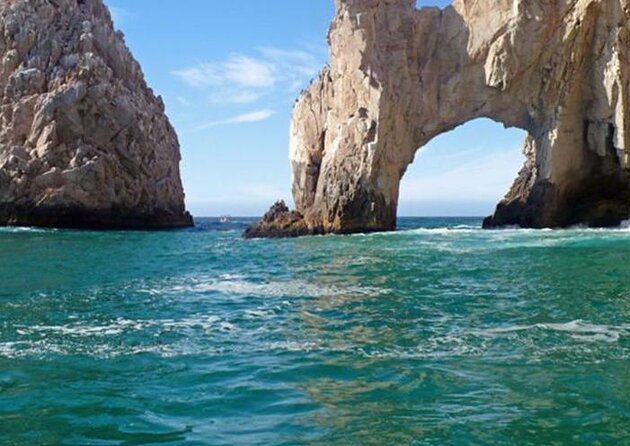
Before you’re hunting whales, you get a “get your bearings” moment at El Arco de Cabo San Lucas (The Arch). The tour includes a short stop where you can take photos from the boat of the landmark that makes Cabo look like a postcard.
This first photo stop is brief, about 5 minutes, and that’s a good thing. You get a quick shot, but the crew doesn’t turn it into a long waiting game. You’re also out on the water where the Arch looks different than it does from land, with angles that can feel more dramatic.
From a viewer’s standpoint, this is smart logistics. It keeps the day moving so you spend the larger chunk of time where the payoff is: scanning for whales and marine life beyond the bay.
Lovers Beach and Pelican Rock: the bay’s natural boundary markers
After The Arch, you pass Lovers Beach. You don’t stop long here, but it’s a helpful landmark because it anchors your mental map of the bay. When you’re out later in the “search zone,” you’ll understand where the coast line is in relation to you.
Then comes Pelican Rock, described as a small rock formation inside the marine protected area of the Bay of Cabo San Lucas. Protected zones matter for wildlife because they’re managed with conservation in mind, and crews often treat them with extra care. Even if you’re not studying regulations, you can feel the difference in how the boat moves—more patient positioning, less aggressive circling.
For me, this part of the route is more than scenic. It sets the context: you’re not just chasing animals, you’re operating in a sensitive marine environment where the crew’s job is to watch without disrupting.
A handful more around Los Cabos we would happily send a friend to
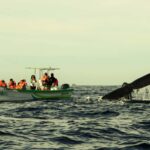
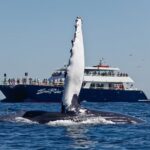
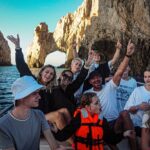
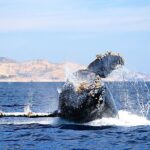
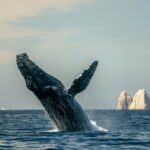
Out of the bay: where whale searching really happens
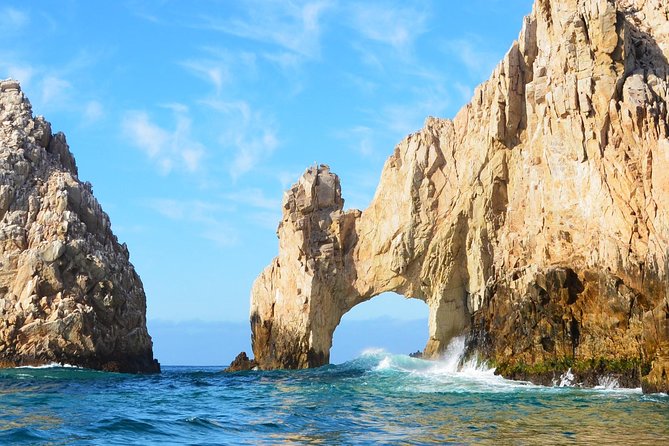
Once the bay segment wraps, you head out either toward the Sea of Cortez or into the Pacific Ocean, depending on conditions and whale activity. The tour format is designed around movement: you’re not stuck in one spot for two hours with a prayer plan.
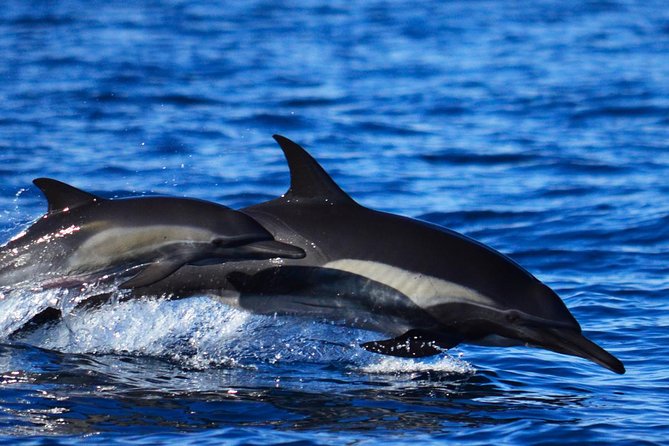
Most sightings are humpback whales, but you can also encounter other wildlife such as dolphins, sea lions, sea turtles, and there’s mention of grey whales and other whales too. In some sightings described, people even reported sperm whales alongside humpbacks, which is a reminder that the ocean doesn’t always follow a neat script.
The crew also makes a point of going farther and positioning away from other boats when possible. That’s a big deal for two reasons:
- You get calmer water behavior to watch animals properly.
- You reduce the chance of interrupting feeding or resting.
If you’re the kind of person who cares about both the experience and the ethics, this is where the responsible approach pays off.
Hearing humpback songs with a hydrophone
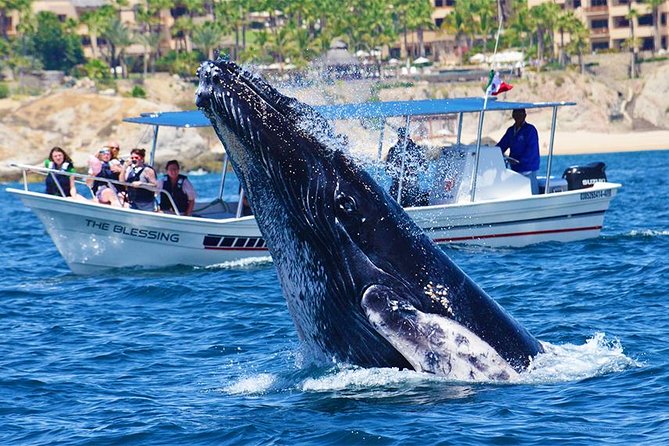
When conditions allow, the tour uses a hydrophone so you can hear humpback whales vocalize. For many people, this is the moment the tour turns from visual to emotional.
Humpback calls aren’t just background noise. They’re part of whale communication, and hearing them gives you a new layer of understanding while you watch. Even when whales are at the edge of visibility, you may still pick up activity through sound, which helps you connect the biologist’s explanation to what’s happening in real time.
A simple tip: hold still and quiet down for a moment when the crew calls attention to the hydrophone. Motion and chatter can make sound harder to pick up on a moving boat.
Marine biologist-led lessons that make sightings click
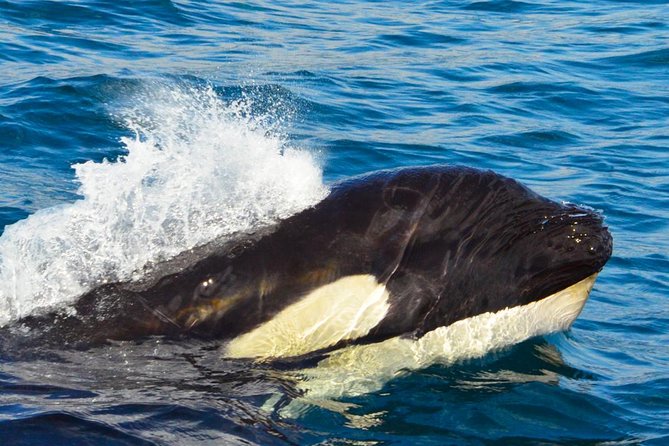
This is a marine biologist-led tour, and that shows in how the information gets framed. Instead of generic whale facts, you get explanations about whale behavior and what to watch for as the boat positions.
Names of guides mentioned in the experiences include Victoria, Hector, Oscar, Josephine, and Payo (noted as a veterinarian specializing in marine biology). Those different personalities still point to the same thing: the tour is built to help you interpret what you’re seeing.
What I look for in a biologist-led outing is practical learning:
- how whales surface and move,
- what breaching or tail slaps might indicate,
- how calves and moms behave together,
- and why the crew’s patience and distance matter.
In the descriptions, people repeatedly mention rare moments like full breaches, moms with babies, and whales swimming right near the boat (still at a respectful distance). That doesn’t mean every trip will be that dramatic, but it does suggest the guides are active in finding conditions that produce real behavior, not just “spotted something far away.”
Free photos: how to get your best whale shots without stress
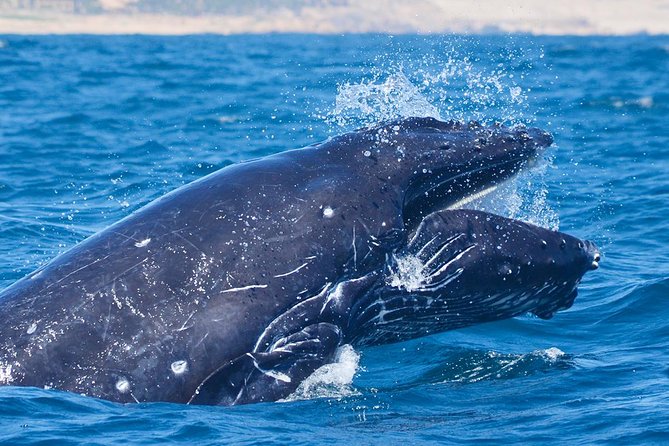
This trip includes free onboard photos taken by your guide during the tour. Multiple people noted the images were provided after the trip, with one account mentioning photos emailed a day later.
The hidden value is that you don’t need to be camera-perfect. With a small group, you can focus on spotting and timing. Then the crew handles the “point the camera here” moments for you. It’s especially useful when a whale surfaces quickly or when the boat shifts position.
Practical tip: bring a fully charged phone or small camera anyway. Free photos are great, but having your own lets you capture a view from your preferred angle if you get a personal moment, like a whale breaching in your exact line of sight.
What’s not included: water, transportation, and sustainability choices
You don’t get bottled water onboard. The tour notes a sustainability approach, so they no longer provide single-use plastic bottles. That means you should plan to bring your own refillable bottle if you think you’ll want water during the ride.
Transportation isn’t included either. If you’re staying outside the marina zone, plan your route so you don’t feel rushed. Getting to the meeting point calmly makes the whole tour feel smoother, especially on busy days.
Seasickness and a 2.5-hour reality check
Even with a good crew and smart routing, you’re still on open water. One of the most useful “heads up” from accounts is that some people are more prone to sea sickness, and the crew may offer extra medication, but it’s still smart to take prevention seriously if you know you react to motion.
If you’re sensitive:
- take motion-sickness prevention early,
- consider sitting where the boat motion feels least intense (ask the staff where they recommend),
- and pack a light layer so you’re not freezing if the wind picks up.
And if the sea is rough, remember the goal isn’t comfort. It’s sightings. The best whale behavior often shows up when you’re already out there and staying attentive.
How to choose the right day for whale success
You can’t control whale movement, but you can improve your odds by choosing a day with calmer conditions. This tour explicitly requires good weather, and the operation will adjust with a new date or refund if the trip is canceled due to poor conditions.
Also pay attention to the seasonal window. If you’re traveling between December 15 and April 15, you’re within the timeframe where the whale sightings guarantee applies. That guarantee is a big part of the appeal because it reduces the risk that you’ll book “just in case.”
If you’re going outside that window, you may still see whales, but the guarantee details aren’t presented the same way. Plan with that in mind.
Who should book this Whale Watch Cabo tour
This tour is a strong fit if you want:
- a small group experience with conversation time,
- a marine biologist who explains what you’re seeing,
- and free photo coverage so you leave with more than memory.
It’s also ideal for people who care about responsible whale watching. Accounts highlight the crew’s effort to position away from other boats when possible and to avoid disturbing whales.
If your priority is maximum comfort on the water, this may not be your best match. A whale hunt can mean moving water and changing positions. But if your priority is wildlife and real sightings, this boat size and format make sense.
Should you book Whale Watch Cabo?
I’d book this tour if you’re traveling during the humpback season window and you want more than a generic cruise. The combination of a marine biologist-led approach, small-group attention, free onboard photos, and a whale sightings guarantee from Dec 15 to Apr 15 gives you good value for the money.
Skip it or think twice if you’re very sensitive to motion and can’t take prevention, or if you hate the idea that weather can change the plan. But if you can handle a few bumpy hours and you like learning while you look, this is one of those Cabo experiences that tends to stick with people.
FAQ
How long is the Cabo San Lucas whale watch?
The tour runs about 2 hours 30 minutes.
What is the price per person?
It is listed at $109.00 per person.
How big is the group?
The maximum group size is 12 travelers.
Where do I meet the tour?
You meet at Whale Watch CaboPlaza Bonita, Blvd. Paseo de la Marina 17, Centro, Marina, 23450 Cabo San Lucas, B.C.S., Mexico.
What are the main sightings you look for?
The tour mostly encounters humpback whales, and it can also include sightings of dolphins, sea lions, turtles, and other whales depending on conditions.
Is a hydrophone used during the whale watch?
When conditions allow, humpback whales can be heard using a hydrophone.
Are photos included?
Yes. Your guide takes photos during the tour and they are offered for free.
Is bottled water included?
No. Bottled water is not included, and the tour notes they do not provide single-use plastic bottles on board.
More Whale Watching in Cabo San Lucas
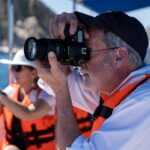
More Tour Reviews in Cabo San Lucas


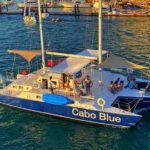

Whale Watching Around Cabo
Just added to our Los Cabos notebook
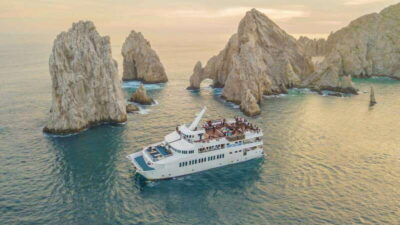

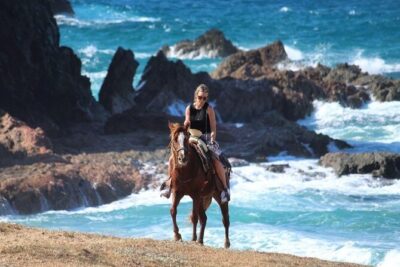

Cabo Whale Watching, compared.
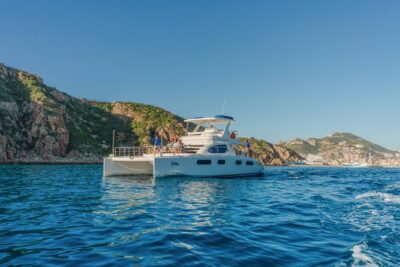 ★ 5.0Luxury Catamaran Whale Watching Cabo San LucasFrom $1292,107 reviews
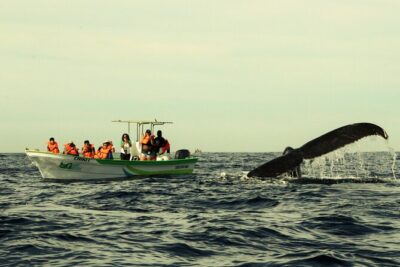 ★ 5.0Whale Watching Cabo-Women crew-Sightings Guaranteed & Free PhotosFrom $1001,743 reviews
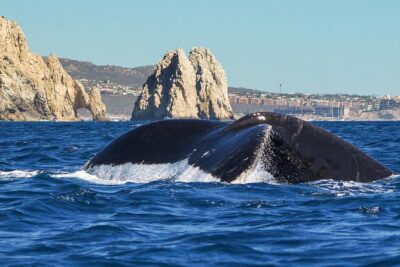 ★ 5.0Humpback Whales in Cabo San LucasFrom $991,005 reviews
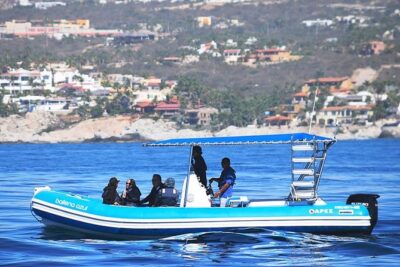 ★ 5.0ZODIAC Whale Watch Tour | Cabo San Lucas | Biologist | FREE PicsFrom $109365 reviews
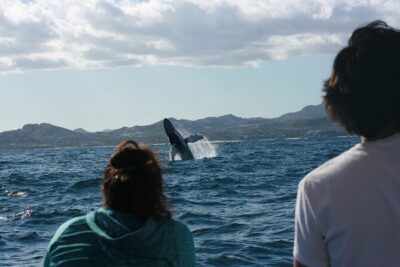 ★ 5.0Whale Watching Group Tour in San Jose del CaboFrom $99243 reviews
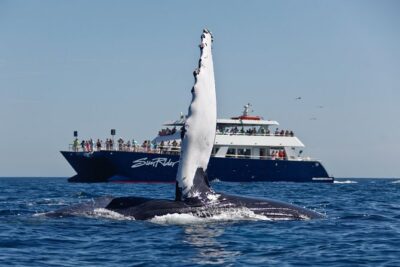 ★ 5.0Cabo San Lucas Whale Watching Lunch CruiseFrom $115197 reviews
 ★ 5.0Whale Watching in Cabo San Lucas: Sightseeing Cruise and ShoppingFrom $115185 reviews
 ★ 5.0Open Ocean Safari and Whale WatchingFrom $215178 reviews
Browse the lists this tour appears in