
Reviewed · CABO WHALE WATCHING
Humpback Whales in Cabo San Lucas
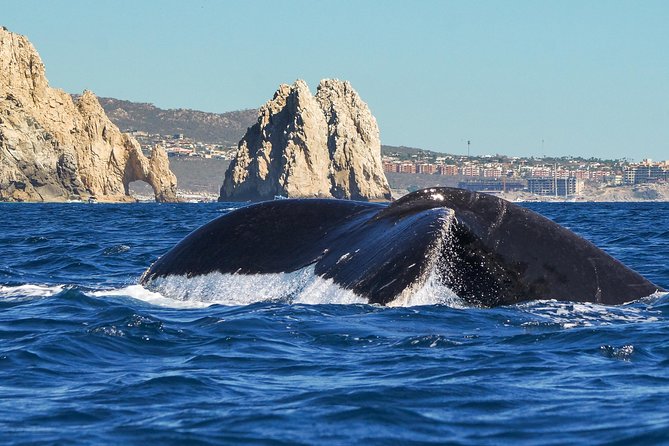
Whales put Cabo on a whole new level. This small-group boat trip is built for humpback sightings with a marine biologist onboard, plus a warm-up cruise past Cabo’s most famous sights. I love the personal scale (you’re not packed shoulder-to-shoulder), and I also love that the guide is actually there to explain what you’re seeing, from whale behavior to local marine life. One thing to keep in mind: the ride can get bouncy when the water is chopppy, so morning departures tend to be the smarter move if you’re prone to seasickness.
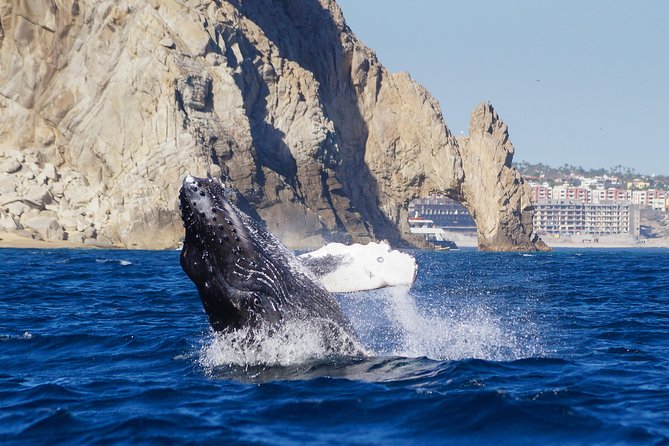
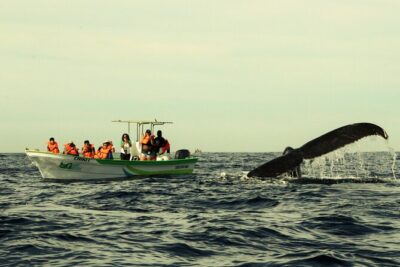
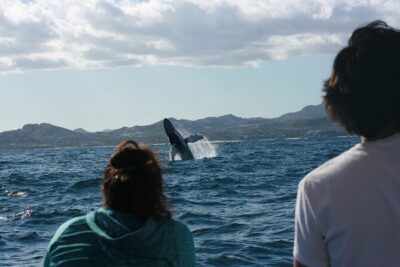
The experience starts right in town, then gets out to the water where whale watching turns from a hope into a plan. I’ve seen guides like Maria and Vanu really connect the dots for people, including the dramatic moments when humpbacks breach, belly-slap, and even hang around close to the boat. If you’re bringing kids or you just want a smoother trip, you’ll be happier choosing the earlier times suggested for calmer seas.
You’ll be on the water for about 2.5 hours, with checks-in and a return to the same meeting point. You should plan to eat first and consider motion-sickness help, because this tour can involve starts/stops as they adjust where the whales are.
In This Review
- Key things to know before you go
- Why humpbacks off Cabo can feel almost personal
- Meeting at CaboTrekHotel Tesoro and picking the right departure time
- The warm-up cruise: Cabo San Lucas Beach, El Arco, and sea lions
- Out to the whales: how they choose Pacific vs. Sea of Cortez
- What the marine biologist actually adds to your day
- Small-group touring: why 10–12 passengers matters
- Comfort tips that make a difference on this 2.5-hour ride
- Price and value: what $99 buys you in Cabo
- Who should book this whale-watching tour
- Should you book Cabo Trek’s humpback whale tour?
- FAQ
- How long is the humpback whale watching tour?
- What is included in the $99 per person price?
- Where do I meet, and does the tour end there too?
- Do I get to see Cabo’s Arch and sea lions, or is it only whales?
- How many people are on the boat?
- What happens if the weather is poor?
Key things to know before you go
- Marine biologist onboard: expect real explanations, not just a wildlife “spotter” guide
- Small group (10–12 per boat): better conversation and better odds of staying with the action
- Cabo’s icons before the whales: you’ll see the Arch of Cabo San Lucas and the sea lion area early on
- Pacific or Sea of Cortez route: they choose where to go based on weather and captain/guide guidance
- Humpback action can be close: safe distances still apply, but whales sometimes approach
- Morning times help with comfort: 08:00 and 11:00 are the go-to suggestions for calmer ocean
Whale season runs December to April. Here is where we would book
- SMALL GROUP Whale Watch | Cabo San Lucas | Biologist | FREE Pics
★ 5.0 · 1,106 reviews - Humpback Whales in Cabo San Lucas
★ 5.0 · 1,005 reviews - ZODIAC Whale Watch Tour | Cabo San Lucas | Biologist | FREE Pics
★ 5.0 · 365 reviews - Los Cabos Whale Watching (Transportation and Pictures Included)
★ 5.0 · 290 reviews
Why humpbacks off Cabo can feel almost personal
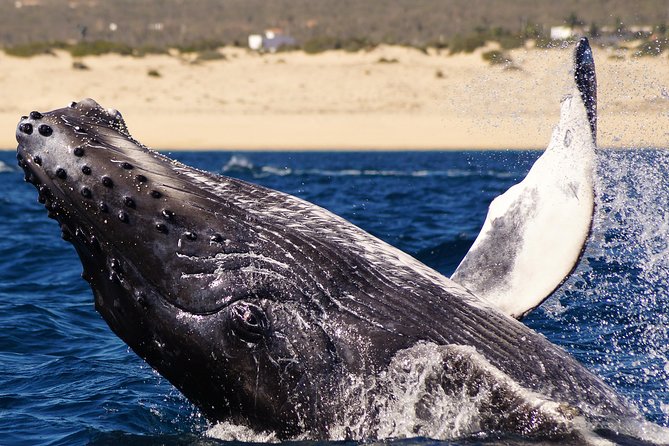
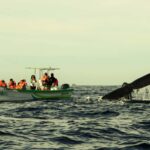
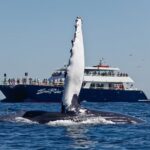
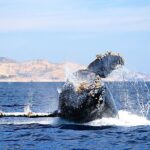
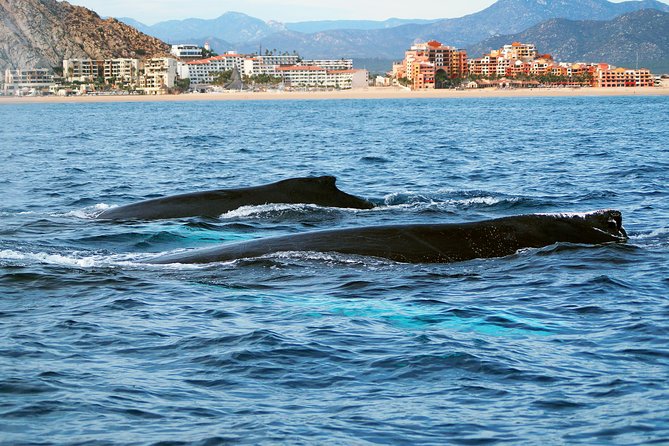
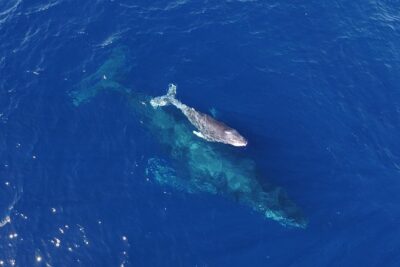
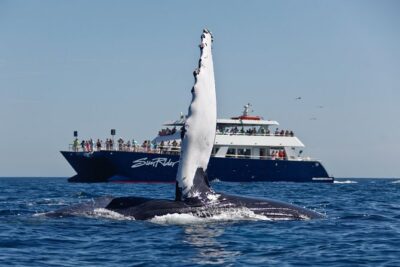
Humpbacks are huge, but the magic in Cabo is that you’re not just looking at them from far away. On this tour, the captain and marine biologist work as a team to find active areas, then stay with the whales when the behavior turns good. That can mean breaches, tail slaps, “whale tales” (tail flukes raised above the surface), and that jaw-dropping moment when a mother and calf spend time together near your boat.
What I like about this setup is the balance: the crew is clearly focused on safety and respectful distance, but they also don’t rush away from the exciting stuff. In multiple recent trips, people described whales approaching close enough for details to feel real, including scenes with clear water that make surface activity easier to follow.
Also, Cabo’s geography matters. You’re starting in a place where marine life is already visible from the water, then heading into regions where humpbacks are showing up during the season. One traveler noted they booked right around the start of the season window (Dec 15), and still saw a full day of whales, dolphins, and even marlin.
Meeting at CaboTrekHotel Tesoro and picking the right departure time
Plan on getting to the meeting point early. The tour meets at CaboTrekHotel Tesoro, Blvd. Paseo de la Marina 20-Local A, Centro, Cabo San Lucas, and the day ends back at the same place. There’s a check-in in the office before you head out to the boats, so don’t show up at the last second hungry and stressed.
You also want to choose your departure with comfort in mind. The clearest advice here is to pick the earlier sailings, specifically the 08:00 or 11:00 departures, because those times are suggested for calmer ocean conditions. That’s especially helpful if you have older travelers with you, very young kids, or anyone who tends to get seasick.
If you’re flexible, I’d treat the early time like a “comfort upgrade.” You can still see whales at other times, but mornings usually give you smoother water and a better chance that everyone stays focused on the view instead of fighting nausea.
The warm-up cruise: Cabo San Lucas Beach, El Arco, and sea lions
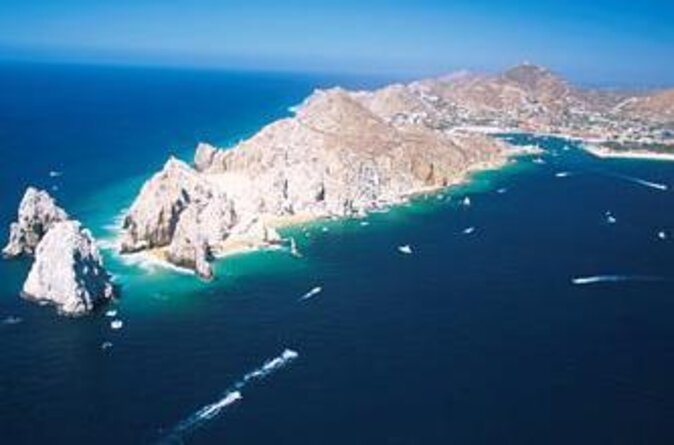
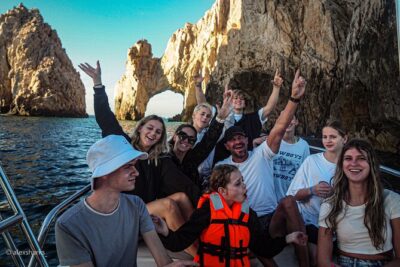
Before you chase whales, you get a local “greatest hits” starter. The first part of the ride takes you past Cabo San Lucas Beach, so you’re already seeing the coastline and harbor area from the water. Then you head to El Arco de Cabo San Lucas, the dramatic rock arch that’s basically Cabo’s signature photo spot.
You also get time focused on the sea lion colony in the area, which changes the feel of the trip in a good way. It’s a reminder that this is not just a whale hunt; it’s a living marine zone where different animals show up close to shore.
One practical note: the early stops mean you’re not spending the entire 2.5 hours staring at open water with no context. It breaks the experience into “Cabo highlights first,” then “now the real search begins.” If you’re going with kids, that matters. They’ll feel like something is happening even before the first whale blows.
Out to the whales: how they choose Pacific vs. Sea of Cortez
Once the crew checks weather and conditions, you’ll head toward either the Pacific side or the Sea of Cortez side. The exact choice depends on conditions and on guidance from the captain and marine biologist.
For you as a rider, this is a smart approach. Whale watching is weather-sensitive. Wind, swell, and visibility can change quickly, and the crew’s job is to adapt so you’re not stuck in the wrong place for too long.
And you can tell the captains are actively working. Even when the ride to the whales takes time, many people felt it was worth it once whales showed up and the crew found spots where the animals were actively feeding or displaying behavior near the surface. Several accounts described extended time with whales and repeated opportunities to watch breaching or other surface activity.
Also, the boat is kept at a safe distance. Still, whales can make choices too. In recent trips, people reported whales approaching close at times, including a few “wow, that’s right there” moments where whales came within just a few feet of the boat. The takeaway is simple: expect safe, respectful watching, but don’t be surprised if the whales act like the locals and come closer.
A handful more around Los Cabos we would happily send a friend to
What the marine biologist actually adds to your day
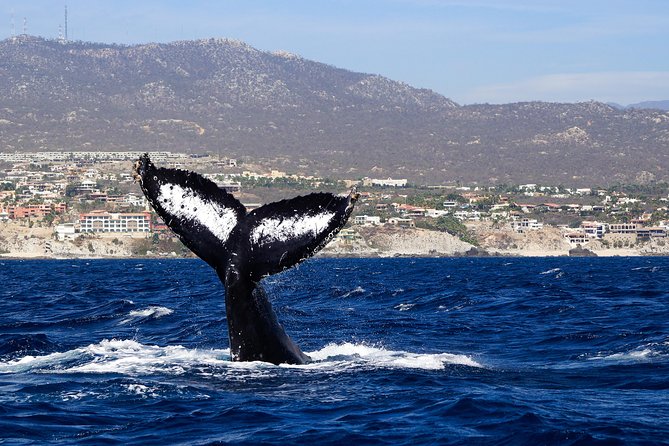
A marine biologist onboard can be the difference between a decent tour and a tour that sticks with you for years. Here, you’re not just hearing facts in a general way; you’re getting explanations tied to what you’re seeing in real time.
In recent trips, guides such as Maria, Andrea, Vanu, and Annilesa were praised for being passionate and for teaching people what whale behavior means. That can include why humpbacks breach, what the timing of calf and mother activity looks like, and how to interpret surfacing patterns and movement.
One of the most memorable descriptions was of a mama humpback and her calf spending a long stretch near the boat. People noted the calf interacting with the mother and even observations of activity underneath the boat, including whales staying under for longer periods. When the water is clear, it’s easier to track those behaviors, and a good guide helps you understand what you’re seeing instead of just staring and hoping.
You’ll also likely get context on Cabo’s marine life beyond humpbacks. Sea lions and dolphins frequently appear on the tour, and biologists usually connect those sightings to the ecosystem rather than treating them as random extras.
Small-group touring: why 10–12 passengers matters
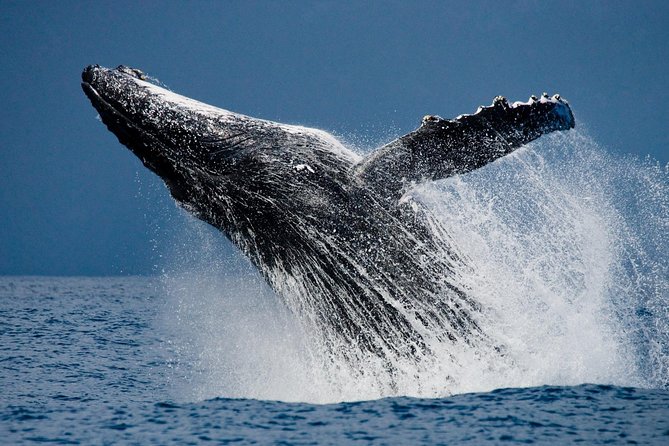
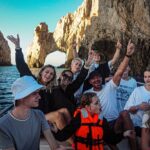
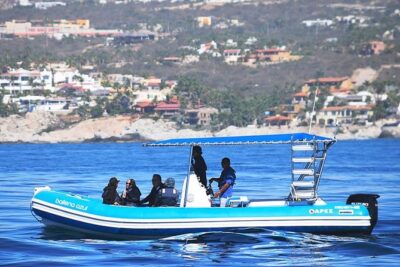
A big tour bus is fine for shopping days. For whales, it’s a noise machine. This tour keeps the boat capacity small, typically 10–12 people per boat, and it’s designed to keep you from feeling like you’re watching through a crowd.
That matters in three ways:
First, it makes it easier to hear the marine biologist. When the group is small, questions don’t feel like interruptions. People can ask what they’re seeing, and the guide can actually answer.
Second, it improves how the crew can position the boat. You’re not trying to coordinate a dozen different camera angles and bodies in the same space.
Third, smaller groups often mean the captain can focus on the best viewing areas. Several people praised the way captains looked for spots away from other boats, which can help you get a calmer, more respectful viewing experience. And if whales are choosing to hang around, you benefit from not being competing with a floating traffic jam.
Comfort tips that make a difference on this 2.5-hour ride
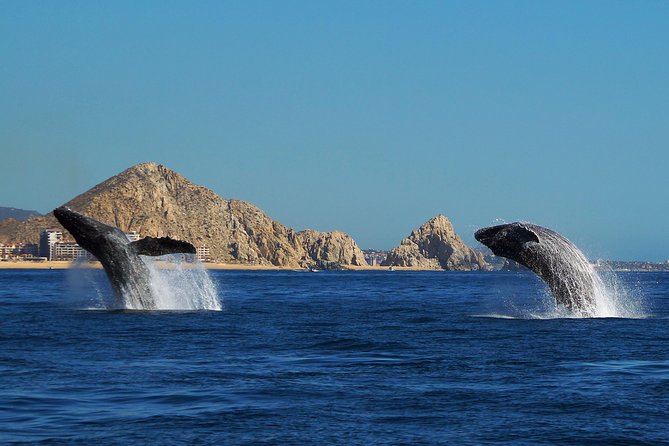
This is one of those tours where “bring your patience” is good advice, but “bring your comfort plan” is better.
The water can be calm, especially early. But if conditions are rough, you may feel it. One negative note mentioned an unexpectedly rough ride and sudden acceleration on the way back, which caused a passenger to stumble. That’s not what most accounts describe, but it’s a good reminder to plan for movement.
Here’s what you can do:
- Dress in layers. Wind can hit when you’re out past the harbor.
- Wear grippy footwear. If the deck moves, you’ll want traction.
- Eat first. Several comments emphasized that the boat ride feels long, so don’t go on an empty stomach.
- Consider motion-sickness help. One traveler specifically recommended Dramamine if you tend to get sea sick.
If you’re the type who gets uncomfortable fast, choose the 08:00 or 11:00 departure. That’s the clearest suggestion for smoother water conditions, and it tends to work for both families and older travelers.
Price and value: what $99 buys you in Cabo
At $99 per person, this is priced like a serious activity, not a casual coastal cruise. The value comes from what’s included and what’s not.
On the plus side, the tour includes:
- a marine biologist onboard
- the 2.5-hour boat ride
- marine park fees
- bottled water
You’re also paying for a focused search strategy. Whale watching is not guaranteed, and good crews spend time moving to where animals are active. In a lot of the best experiences, people described long enough whale time to actually learn behavior, not just spot a blow and zoom away.
What’s not included:
- souvenir photo packages (available for purchase)
- hotel pickup and drop-off
For you, the simplest way to judge value is this: if you want a small group plus real wildlife teaching, and you’re okay meeting at the local office instead of getting picked up, this price makes sense. If you’re expecting a guaranteed breaching show every time, no whale tour can promise that. What this tour aims for is maximizing your odds while keeping the experience respectful and educational.
One more pricing detail: the note about a private tour option indicates pricing can shift by group size (up to 8 people for the private option). If you’re traveling with friends or family and want more control, it could be worth comparing options directly.
Who should book this whale-watching tour
This is a great match if:
- you want humpback whales and not just “some dolphins”
- you like learning from an actual marine expert onboard
- you prefer small-group boat time over big crowds
- you’re traveling with kids and want a morning option that tends to be calmer
It also works well for couples and first-timers who want Cabo’s icons plus whales in one day. You get El Arco and the sea lion colony early, so even if whale behavior is subtle at first, the tour still feels like Cabo.
A possible mismatch if:
- you’re extremely sensitive to boat movement and can’t handle any chop at all
- you want a guaranteed close-up breaching show
In that case, you still might see whales, but you’d be taking on a higher “nature controls the day” factor.
Should you book Cabo Trek’s humpback whale tour?
If you’re choosing one whale-watching experience in Cabo, I’d strongly consider booking this. The big reasons are the small group, the marine biologist-led format, and the way the crew keeps the viewing going when whale behavior is active. You’re also getting a strong start with the arch and sea lions, so the day doesn’t feel like a long wait in open water.
My practical go/no-go advice:
- Book the 08:00 or 11:00 departure if you want the smoothest ride.
- Eat before you go and plan for movement just in case.
- Bring a camera you can stabilize, because close whales can happen.
- If you’re booking on a forecast of rough weather, know this is a weather-dependent activity. If conditions aren’t right, you’ll need to be flexible with dates.
All that said, this is the kind of Cabo experience where you don’t just check a box. You leave with stories: breaches, tails, maybe a mother and calf lingering longer than you expected, and a whole new respect for how humpbacks live in this part of the ocean.
FAQ
How long is the humpback whale watching tour?
The tour runs about 2 hours 30 minutes.
What is included in the $99 per person price?
It includes the marine biologist guide, a 2.5-hour boat ride, marine park fees, and bottled water.
Where do I meet, and does the tour end there too?
The tour starts at CaboTrekHotel Tesoro on Blvd. Paseo de la Marina 20-Local A in Centro, Cabo San Lucas, and it ends back at the same meeting point.
Do I get to see Cabo’s Arch and sea lions, or is it only whales?
You’ll visit Cabo San Lucas Beach and El Arco de Cabo San Lucas and the sea lion colony before heading out toward the whale-watching areas.
How many people are on the boat?
The boat is limited to about 10–12 people, and the overall activity may have a maximum of 16 travelers.
What happens if the weather is poor?
This experience requires good weather. If it’s canceled due to poor weather, you’ll be offered a different date or a full refund.
More Whale Watching in Cabo San Lucas
More Tour Reviews in Cabo San Lucas



Whale Watching Around Cabo
Just added to our Los Cabos notebook

Cabo Whale Watching, compared.
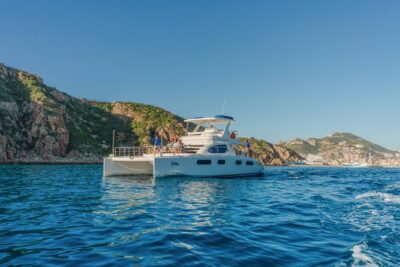 ★ 5.0Luxury Catamaran Whale Watching Cabo San LucasFrom $1292,107 reviews
 ★ 5.0Whale Watching Cabo-Women crew-Sightings Guaranteed & Free PhotosFrom $1001,743 reviews
 ★ 5.0SMALL GROUP Whale Watch | Cabo San Lucas | Biologist | FREE PicsFrom $1091,106 reviews
 ★ 5.0ZODIAC Whale Watch Tour | Cabo San Lucas | Biologist | FREE PicsFrom $109365 reviews
 ★ 5.0Whale Watching Group Tour in San Jose del CaboFrom $99243 reviews
 ★ 5.0Cabo San Lucas Whale Watching Lunch CruiseFrom $115197 reviews
 ★ 5.0Whale Watching in Cabo San Lucas: Sightseeing Cruise and ShoppingFrom $115185 reviews
 ★ 5.0Open Ocean Safari and Whale WatchingFrom $215178 reviews
Browse the lists this tour appears in