
Reviewed · SNORKELING & SANTA MARIA BAY
Mobula Ray Snorkeling
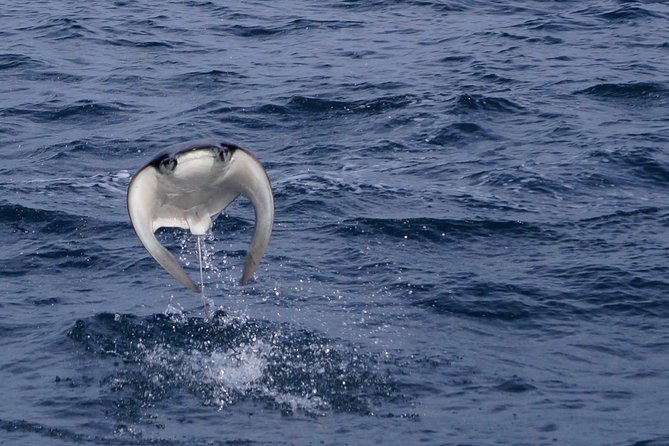
Rays break the surface like living fireworks. This 3-hour Cabo San Lucas tour is built around the mobula manta migration off Baja California Sur, with time to snorkel and chances to watch from the boat. You also get a classic sightseeing break at the Arch of Cabo and the sea lion area before the search begins.
I especially like two parts. First, I love the small group size (max 8), because it keeps the guide close and makes it easier to manage gear, timing, and positioning once the animals show up. Second, I like that the tour includes the snorkeling equipment, fees, and refreshments, so you’re not nickel-and-diming your way through a day on the water.
The main thing to consider is that mobula sightings are wildlife timing, not a movie script. If the conditions aren’t right or the schools move on, you may still have a strong wildlife outing, but you might not get the exact mobula moment you booked for.
In This Review
- Key highlights at a glance
- Mobula manta migration: what you’re really chasing
- Cabo marina start, El Arco, and sea lions before the search
- Search mode to snorkeling: how the “multiple chances” really works
- Boat time, breaching views, and getting photos without losing your mind
- Certified marine biologists and what the small group buys you
- Included value at $169: what you’re paying for (and what you’re not)
- When the mobulas don’t show: how to judge your outcome
- Who this tour suits best
- Should you book Mobula Ray Snorkeling with Cabo Trek?
- FAQ
- How long is the Mobula Ray Snorkeling tour?
- Where do I meet for the tour?
- What’s included in the price?
- Do I have to snorkel to see the rays?
- What group size should I expect?
- Is the tour language English?
Key highlights at a glance
Mobula-focused, with multiple chances in the water once schools are found
Small group (up to 8) for more attention from your guide
El Arco and sea lion stops add wildlife and scenery even on slower searches
Breaches 6–8 feet out of the water make it possible to see the action without snorkeling
Guide-led by marine biologists with extra emphasis on safety and timing
Clearer water at Santa Maria and Chileno, compared
- Lands End Luxury Sail and Snorkel Cruise in Cabo San Lucas
★ 5.0 · 816 reviews - Cabo Blue Snorkeling Cruise, Open Bar and Lunch in Cabo San Lucas
★ 5.0 · 686 reviews - Cabo San Lucas Glass Bottom Kayak Tour and Snorkel at Two Bays
★ 5.0 · 628 reviews - La Paz World Class Snorkeling in Balandras Hidden Beaches
★ 5.0 · 582 reviews
Mobula manta migration: what you’re really chasing
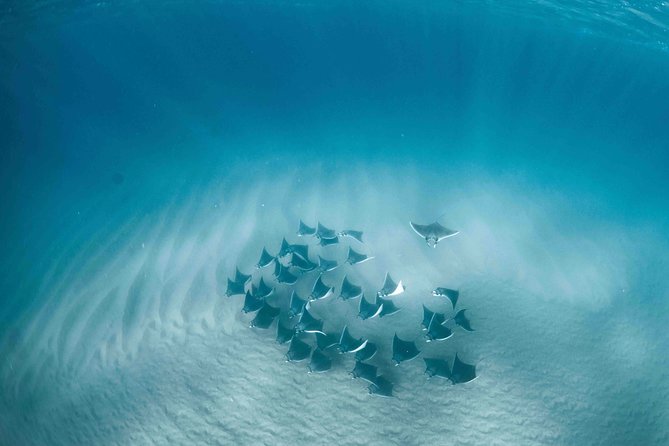
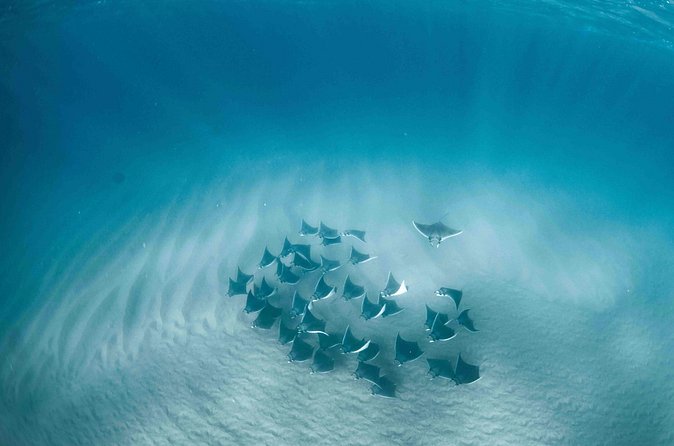
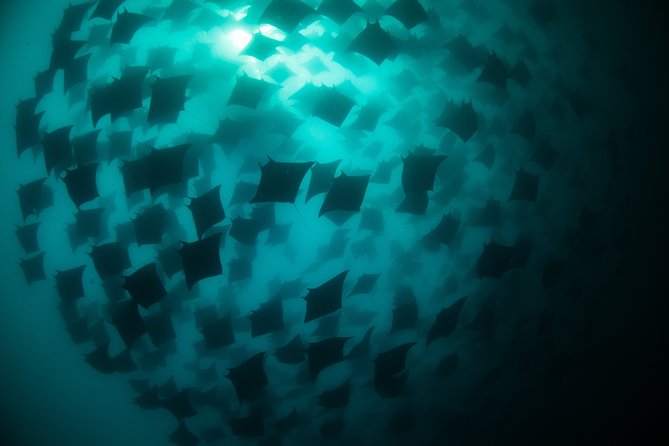
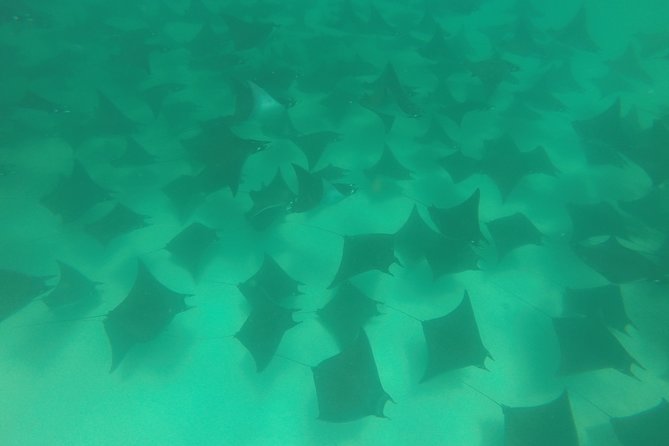
This is a mobula manta ray snorkeling tour timed to the migration pattern that brings big schools to the waters around Baja California Sur. That matters, because the magic moment in this kind of tour is rarely “finding an animal.” It’s finding the right school at the right time—and then being in the water for it.
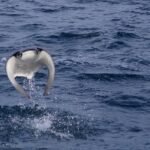
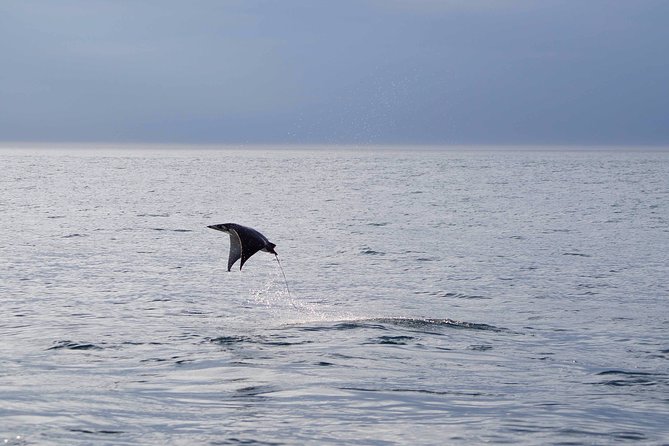
The good news is the experience isn’t an all-or-nothing setup. The tour is designed so that even if you don’t snorkel, you can still spot mobulas because they can breach about 6–8 feet out of the water. That’s high enough to be visible from the boat and dramatic enough to make photos worth the effort, even if you stay mostly above the surface.
The best value here is the mix of “classic Cabo sightseeing” and “wildlife hunting.” You start with a sightseeing leg, then shift into search mode, and once the schools show, you get more than one shot at getting in the water.
Cabo marina start, El Arco, and sea lions before the search
You’ll meet at CaboTrekHotel Tesoro at the marina area (Blvd. Paseo de la Marina 20-Local A, Centro). In the morning slot, the start time is 9:00am, and the tour also runs an afternoon option if you’d rather avoid the morning heat.
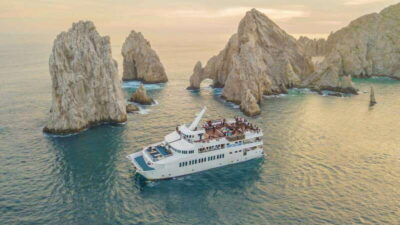
What I like about the first part is that it gives you something to look forward to even if the mobula search takes a bit. The tour includes time visiting the famous Arch of Cabo and the sea lion colony. That’s a smart structure: you’re not stuck staring at the water for hours with nothing happening.
It also helps with pacing. When you’re out on a boat, the day can feel either smooth or stressful depending on timing. This tour front-loads the scenic stops, then turns its full attention to the marine search once you’re ready to focus.
If you’re the kind of person who enjoys wildlife spotting but isn’t chasing one specific species with tunnel vision, this itinerary style fits well.
Search mode to snorkeling: how the “multiple chances” really works
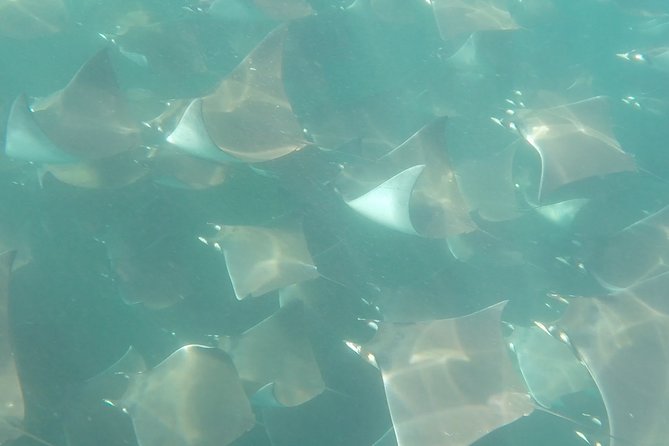
Once the boat starts looking for big schools of mobulas, the crew works like a team: spot, assess, and then decide when it’s best to enter the water. The tour is structured to give you multiple chances to snorkel after the guide has judged the situation.
That “assess first” detail is important. With large wildlife, it’s not just about jumping in. You want clear coordination—where you’ll be, how long you’ll stay, and how the group will be handled so you’re not feeling rushed or tangled.
I also like that the tour is built for people with different comfort levels. Even if you aren’t fully committed to long snorkeling sessions, you still get chances to see the action. That’s backed up by how visible breaches can be, plus the fact that you’re repeatedly in prime viewing territory once schools are located.
One more practical note: the tour runs about 3 hours, so it’s long enough to do more than a “quick pop-in,” but short enough that you’re not stuck on a boat all day.
Boat time, breaching views, and getting photos without losing your mind
The headline wildlife moment is the mobula behavior: they can breach 6–8 feet out of the water. In plain terms, that’s the difference between “I saw a speck” and “wow, that’s real.” When they breach like that, it’s visible to people who are snorkeling and people who aren’t.
If you want photos, plan to be ready for fast, vertical motion. In wildlife photography terms, you’re often tracking a moving subject that surprises you with height and speed. I’d keep your camera or phone accessible, use burst mode if you can, and focus on steadier framing rather than trying to compose the perfect shot when the animals are already gone.
Also, there’s a comfort factor here that’s easy to overlook: one review notes the boat has both shade and open areas. That matters in Cabo, where sun can be intense. Being able to switch positions helps you stay comfortable enough to keep watching.
If you’re worried about whether you’ll get your money’s worth for photos, this is one of the better setups because the spectacle isn’t limited to underwater time. You’re watching something that happens at the surface.
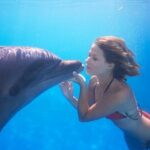
Turtles, mobulas and gentler wildlife days

Certified marine biologists and what the small group buys you
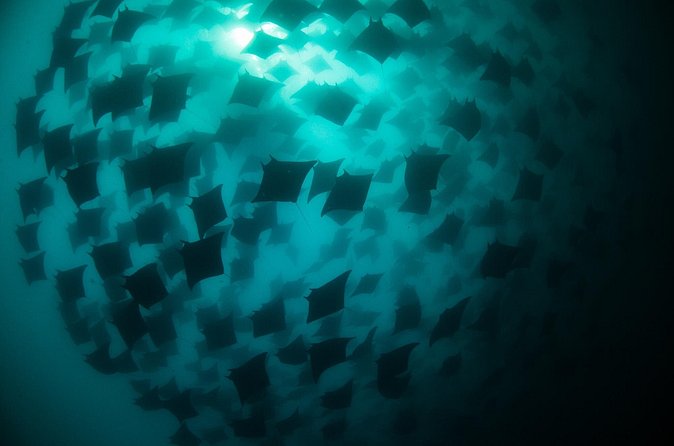
This tour is led by marine biologists, and that shows in the way the experience is described: the guide isn’t just pointing and smiling—they’re there to explain what you’re seeing and to manage the safety piece when snorkeling begins.
In the reviews I read, specific guide and captain names came up: Donna and captain Adrian were praised for flexibility with timing and for making the group feel safe. Other feedback highlighted Vanusa with skipper Freddy as part of a professional, fun setup. Even without assuming you’ll get the same exact team, those names tell me this company puts real effort into staffing and field skills.
The small group size (up to 8 travelers) is what turns “guided tour” into “actually guided.” You’re more likely to get help with positioning, guidance on when to enter, and quick answers if you’re unsure what you’re looking at. It also makes a difference if you have a mixed group—people who snorkel and people who only want to watch.
One more detail I appreciate: this is offered in English, so if you’re comfortable discussing wildlife basics and tour logistics in English, you won’t be left guessing.
Included value at $169: what you’re paying for (and what you’re not)
At $169 per person for about 3 hours, the value isn’t just the boat ride. The included pieces are big-ticket items in your overall experience:
Included:
- Snacks (including chips and cookies) plus soft drinks and water
- All necessary snorkeling equipment
- All fees for the activity
Not included:
- Transportation to the office/meeting point
That last line matters for real-world budget math. If you’re staying in a part of town where you’ll need a taxi or ride-share, plan for that cost so the final total doesn’t surprise you.
So is it expensive? Sure, it’s not a bargain-basement excursion. But when a tour is small-group, wildlife-focused, and led by marine biologists with snorkeling gear and fees included, the price starts to make sense. You’re paying for the human expertise and the setup that lets you spend your time on the water instead of hunting down rentals and figuring out safety on your own.
If your main goal is mobula rays specifically, this kind of specialized guide and controlled group size is the value play. If your goal is generic Cabo snorkeling, you may find cheaper options elsewhere—but you’d likely be giving up the focused search and the high-visibility breach watching.
When the mobulas don’t show: how to judge your outcome
Wildlife has moods. Even in a well-run tour, you can have days when the mobulas aren’t in the exact location at the exact moment.
I saw one example where a group didn’t see mobula rays but still got a strong wildlife outing: plenty of dolphins, plus sharks, turtles, and sea lions during the search. Another account described snorkeling where the team still located spotted eagle rays, plus lots of other fish.
That doesn’t guarantee you’ll avoid disappointment. The mobulas are the star, and if you’re booking specifically for that, you should accept that animal movement is the real variable. But the better takeaway is this: the tour format isn’t designed to leave you with a silent boat and nothing to show. The team keeps searching, and you can come away with a memorable wildlife experience even if the mobulas are shy that day.
Who this tour suits best
This is a strong fit if:
- You want a high-attention, small-group wildlife experience rather than a crowd situation
- You’re interested in marine life explained by a marine biologist
- You want a tour that gives you both sightseeing and wildlife time in one go
- You’re open to snorkeling, but you also like having the option to watch from the boat
It’s less ideal if:
- You need a guarantee of mobula sightings. This is nature, not a timed show.
The tour notes moderate physical fitness. That’s usually a good sign that you’ll be expected to handle boarding, movement on the boat, and time in snorkeling gear comfortably—but you don’t need to be an athlete.
Should you book Mobula Ray Snorkeling with Cabo Trek?
I’d book this if your priority is a guided, mobula-focused day with real expertise and a small group. The combination of small-group attention, marine-biologist leadership, and the chance to see breaches from the surface makes it feel higher value than a generic snorkeling trip.
I would hesitate if you’re the type who can’t handle uncertainty. If mobulas don’t line up, you may still see other marine life, but the core promise is tied to wildlife timing.
If you want a focused wildlife outing that still gives you scenery at the start and keeps the group experience tight, this tour is a very solid choice.
FAQ
How long is the Mobula Ray Snorkeling tour?
The tour runs about 3 hours (approx.).
Where do I meet for the tour?
You start at CaboTrekHotel Tesoro, located at Blvd. Paseo de la Marina 20-Local A, Centro, 23450 Cabo San Lucas, B.C.S., Mexico. The tour ends back at the same meeting point.
What’s included in the price?
Soft drinks, water, and snacks are included. You also get all necessary equipment and all fees for the activity.
Do I have to snorkel to see the rays?
No. The tour is set up so you can also watch mobulas breach about 6–8 feet out of the water, even if you prefer not to snorkel.
What group size should I expect?
The tour has a maximum of 8 travelers.
Is the tour language English?
Yes, the tour is offered in English. Weather matters too; if poor weather cancels the experience, you’ll be offered a different date or a full refund.
More Tour Reviews in Cabo San Lucas

Wildlife & Eco Encounters
Snorkel Days at Santa Maria & Chileno


Just added to our Los Cabos notebook
Snorkeling & Santa Maria Bay, compared.
 ★ 5.0Los Cabos Luxury Sailing, Snorkel and Lunch CruiseFrom $1493,515 reviews
 ★ 5.0La Paz Whale Shark Snorkeling Tour and Lunch From Los CabosFrom $2591,066 reviews
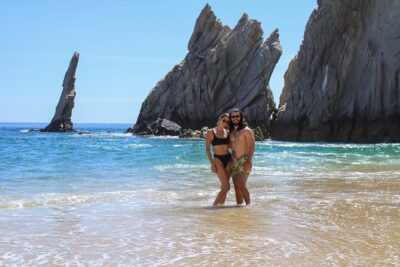 ★ 5.0Kayak Expedition to the Arch of Cabo San Lucas, Lovers Beach & SnorkelFrom $90976 reviews
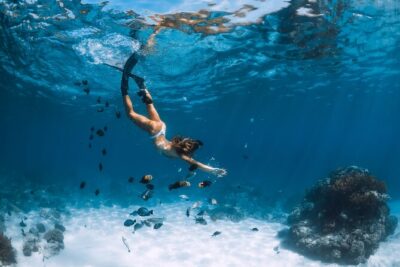 ★ 4.5Los Cabos Power snorkel Adventure, Kayaking and Stand-Up PaddleFrom $99872 reviews
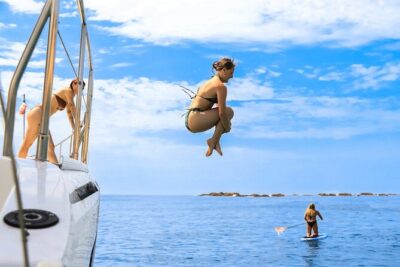 ★ 5.0Half Day Cabo Snorkel Adventure with Lunch and Open BarFrom $149852 reviews
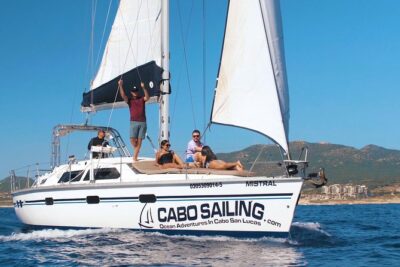 ★ 5.0Lands End Luxury Sail and Snorkel Cruise in Cabo San LucasFrom $105816 reviews
 ★ 5.0Cabo Blue Snorkeling Cruise, Open Bar and Lunch in Cabo San LucasFrom $79686 reviews
 ★ 5.0Cabo San Lucas Glass Bottom Kayak Tour and Snorkel at Two BaysFrom $100628 reviews
Browse the lists this tour appears in