
Reviewed · WILDLIFE & ECO ENCOUNTERS
Los Cabos turtle release conservation program
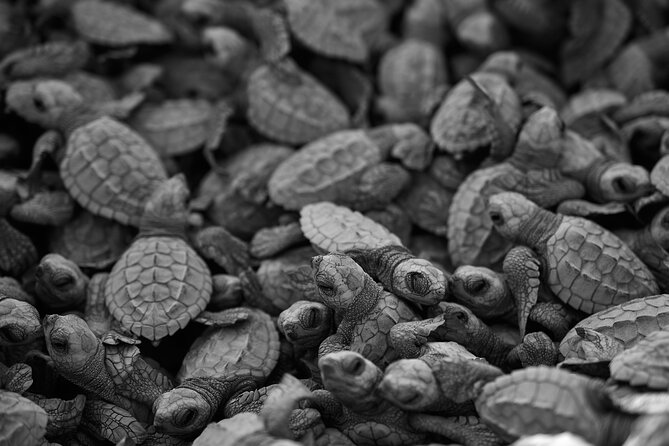
Watching baby turtles head to the sea is magic. This tour pairs a short ranch visit with a Playa Migriño release guided by a marine biologist, all in support of a local conservation program. I love the hands-on moment of a baby turtle release, and I love that you get the science talk from the marine biologist (many groups are led by Patricio).
Hotel pickup is included, and the whole day is built around timing hatchlings and sunset. I like that the tour keeps the group small (max 20 travelers) and includes essentials like air-conditioning and bottled water. One thing to consider: the main release depends on eggs hatching, so you may face a different plan if baby turtles aren’t ready that day.
In This Review
- Quick Key Points Before You Go
- Rancho Carisuva to Playa Migriño: The Real Rhythm of This Tour
- Price and Value: Is $85 Worth It?
- Pickup, Timing, and Why You Need a Buffer
- Stop 1: Rancho Carisuva and the Short Ranch Introduction
- Stop 2: Playa Migriño and the Turtle Nesting Season
- The Release Moment: Watching Hatchlings Find the Ocean
- Group Size, Private Upgrades, and What That Means for You
- What’s Included (and What You Should Bring)
- Conservation, Not Just a Cute Moment
- A Straight Answer on Cancellations and No-Hatch Days
- Who This Tour Is For (and Who Might Skip It)
- Final Thoughts: Should You Book This Turtle Release Tour?
- FAQ
- What time does the turtle release tour start?
- Where does the tour start, and where does it end?
- Is hotel pickup included?
- How big are the groups?
- What animals are involved, and when does the nesting happen?
- What’s included in the price?
- What is not included?
- What if the tour is canceled?
Quick Key Points Before You Go
- Sunset timing matters: the release is scheduled so birds don’t snack on the hatchlings.
- A marine biologist leads the learning: you’ll hear how Olive Ridleys and Black turtles nest and hatch.
- Small group vibe: up to 20 travelers, plus you can sometimes upgrade for a more private feel.
- Two stops, one mission: ranch + protected-nest work + the release back to nature.
- You’ll likely spend time in the van: pickup is included, but transport can add hours to your evening plans.
- No touching the turtles: guides handle the hatchlings with careful, turtle-first procedures.
Turtles, mobulas and gentler wildlife days
- Open Ocean Safari and Whale Watching
★ 5.0 · 178 reviews - Cabo Turtle Release
★ 5.0 · 116 reviews - The only Natural Space Dolphin Encounter in Cabo Optional Pickup!
★ 5.0 · 46 reviews - Mobula Ray Snorkeling
★ 5.0 · 26 reviews
Rancho Carisuva to Playa Migriño: The Real Rhythm of This Tour
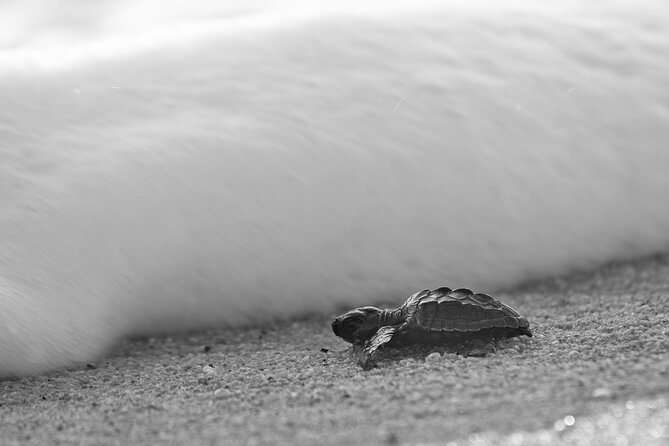
This is not a long beach stroll with a quick photo. It’s a structured, time-sensitive conservation outing built around one goal: helping baby sea turtles survive long enough to reach the ocean. The experience starts with a ranch stop, then moves toward the shoreline release once conditions are right.
The tour is scheduled for 4:30 pm and runs about 4 hours on paper. In real life, you should plan for more “moving and waiting” than you might expect—because the release is tied to sunset, and the hatchlings have to be ready.
If you’re the kind of traveler who likes tours with a clear purpose (not just a checklist of stops), this one makes sense fast. You’re supporting nest protection, helping raise survival chances, and then watching the release happen in front of you.
Price and Value: Is $85 Worth It?
At $85 per person, you’re paying for a few things that add up:
- Certified guides and a marine biologist-style education component
- Hotel pickup (air-conditioned transport + water + restrooms)
- A conservation-linked experience that’s literally about increasing hatchling survival
What you’re not paying for is the merchandise or photo services. The tour also does not include a turtle birth certificate.
Is it “cheap”? No. But it can feel like good value when you consider you’re not just watching nature—you’re participating in a conservation event that only happens when hatchlings are ready. When it works, the payoff is emotional and educational, especially for families and animal lovers.
Pickup, Timing, and Why You Need a Buffer
Hotel pickup is included, and the meeting point is Rancho Carisuva / Playa Migriño area. The van waits at your hotel lobby. That’s convenient, but the biggest practical tip is timing.
Because the release depends on the hatchlings, pickup times may not be nailed down until close to departure. Several groups highlight the same lesson: keep a 1–2 hour buffer before pickup so you don’t get trapped by a delayed start.
Also remember that transport isn’t private for every group. If you’re trying to keep dinner plans tight, I’d give yourself breathing room. One family noted they spent more time in the car than they expected—still worth it for the release, but important if you’re scheduling other activities the same evening.
Stop 1: Rancho Carisuva and the Short Ranch Introduction

The first stop is Rancho Carisuva, a ranch setting where you can meet conservation programs connected to donkeys and turtles. You’re there for about 20 minutes, with admission listed as free for that stop.
This part matters because it sets context. You’re not just arriving at the beach to release something—you’re getting oriented to the conservation work and the setting. It’s also a useful stretch break if you’re traveling from a hotel and want your bearings before the longer wait toward sundown.
What to watch for here:
- You might find the ranch area a bit remote or less “hotel-like” than you expect.
- The ranch stop is brief, so don’t plan to wander far.
Overall, think of Rancho Carisuva as your warm-up: a quick primer and a way to meet the team in a calm setting before the big shoreline moment.


Stop 2: Playa Migriño and the Turtle Nesting Season
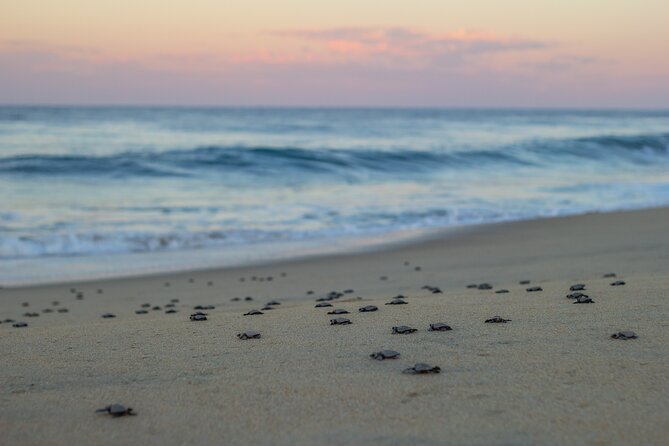
The heart of this experience is at Playa Migriño, and this is where the biology becomes real.
From July to September, Cabo’s Olive Ridley and Black turtles come to shore to lay eggs deep in the sand. The hatchlings don’t pop out right away—babies typically hatch about 45 days later. During that waiting period, the conservation team protects the nest and cares for the eggs to help boost survival rates.
When you arrive at Playa Migriño, you’ll get guided context about:
- what species are nesting during the season
- why eggs need protection
- how raising survival chances is the real work behind the scenes
Then the tour shifts from talk to action. A marine biologist leads the group, and this is where names like Patricio come up a lot in the experience—people describe him as funny and passionate, with information that sticks.
If you love learning, this stop is where it clicks. You’ll understand what you’re seeing rather than just watching tiny turtles move toward the surf.
The Release Moment: Watching Hatchlings Find the Ocean
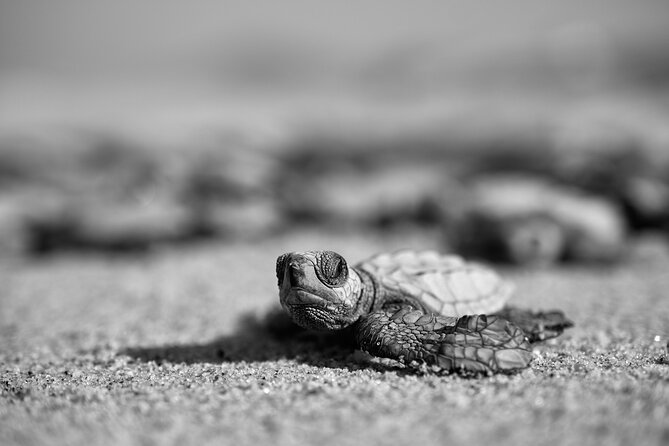
This is the part you’re actually here for: the baby turtle release.
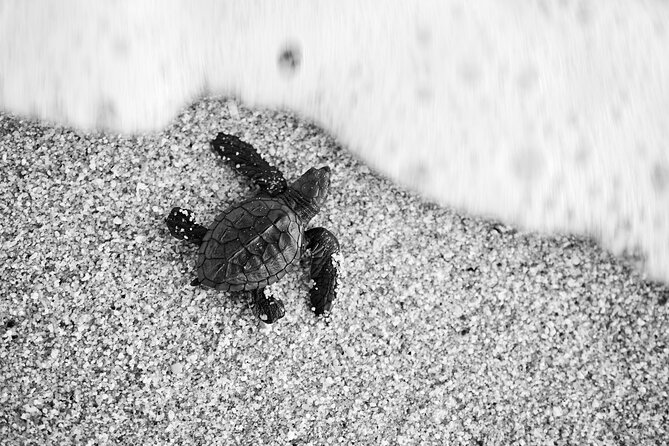
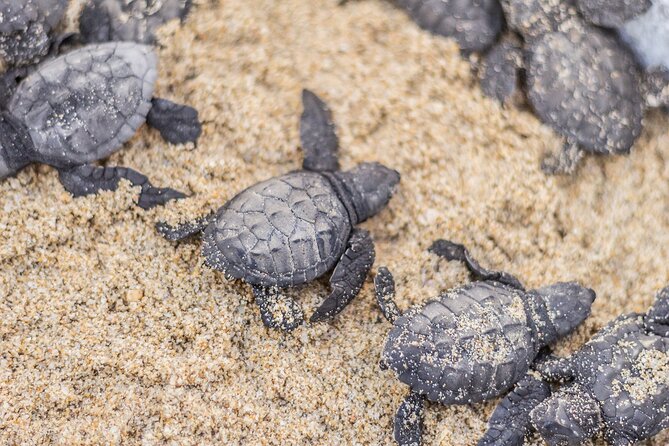
The guides run it with a strong “no harm to hatchlings, no harm to visitors” mindset. You’ll see the team handle hatchlings carefully and release them in a way that protects them from unnecessary stress. Several groups note that you don’t touch the turtles.
One detail that stands out in descriptions is that hatchlings are often placed in containers or bowls and then released as part of the line-up process. It’s simple, but it keeps the release controlled and safe.
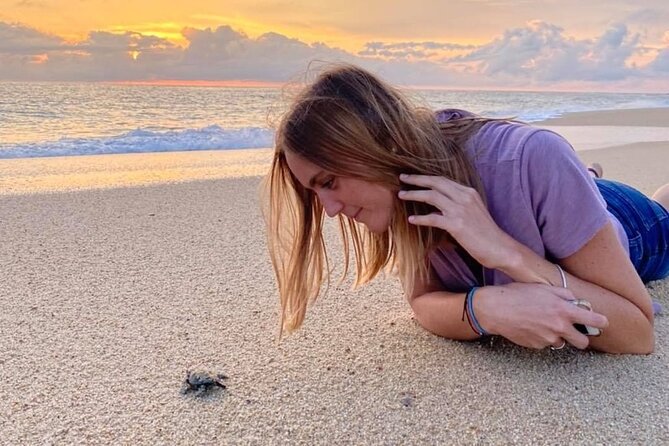
Timing can make this part feel extra dramatic. You may wait a bit for sunset so seagulls are less likely to go after the hatchlings. Expect a slower, watchful vibe—because turtles move slowly, and the team is waiting on nature to cooperate.
And when it finally happens, it’s a special kind of feeling: tiny life, sand underfoot, waves pulling the ocean’s promise closer. It’s easy to understand why this is often called a highlight of a Cabo trip.
Group Size, Private Upgrades, and What That Means for You
The tour caps at 20 travelers. That matters. A smaller group usually means better attention from guides and a more manageable release line.
There’s also an option to upgrade for a private tour. The value of private (as people describe it) is more room in the release experience—often more turtles per person or a less crowded feel. If you’re traveling with kids, or if you want more personal time with the marine biologist, it can be worth considering.
One caution: even with a private upgrade, transport may still involve shared stops. If your expectation is one vehicle direct from your hotel, confirm how it works for your exact booking.
What’s Included (and What You Should Bring)
The essentials are covered:
- Air-conditioned vehicle
- Bottled water
- Certified guides
- Bathrooms
Admission ticket is included for the Playa Migriño part, and the ranch stop is listed with free admission.
What’s not included:
- turtle birth certificate
- merchandising
- photo session
Practical bring-alongs:
- Snacks (the tour doesn’t list food as included)
- water if you’re picky or want extra
- something comfortable for waiting time near sundown
- a phone camera with a fully charged battery (sunset light can be gorgeous)
One more comfort note: bathrooms are available, but descriptions suggest they may not be fancy. Bring patience—and do your best to use facilities before peak release time.
Conservation, Not Just a Cute Moment
Yes, you’ll get adorable footage. But the conservation side is the point, and it’s worth understanding before you go.
The team protects eggs and nests during the incubation period, working to increase survival chances for hatchlings. The release is the visible finale of that hidden labor. So when you watch hatchlings move toward the sea, you’re seeing the result of weeks of groundwork—not just a one-time show.
That’s why the experience resonates with both adults and kids. Kids tend to remember the cuteness and the spectacle. Adults often remember the purpose and the science talk.
It also helps you spot what makes the tour feel respectful: no chaos, no grabbing, no stress on the animals. The release is run like a conservation event, not like a party.
A Straight Answer on Cancellations and No-Hatch Days
Here’s the honest part: sea turtle timing is nature timing. The tour’s main event depends on hatchlings being ready. If hatchlings don’t hatch that day, the operator may cancel the tour and offer an alternative activity or reschedule.
You should also know that communication can vary. Some people report smooth resolutions; others describe problems getting timely refunds or updates. That doesn’t mean everyone will have that issue, but it’s a reason to book with extra schedule slack when possible.
Best practice if you really care about seeing the release:
- pick travel dates with flexibility
- avoid stacking a tight departure plan right after the tour
- keep your confirmation details handy and respond quickly to any messages
Also note: the tour requires good weather. If weather cancels it, you should be offered a different date or a full refund.
Who This Tour Is For (and Who Might Skip It)
This is a strong fit if you:
- want a conservation-linked experience, not just sightseeing
- travel with kids who love animals and can handle a longer evening
- enjoy science talks and want to learn about nesting and hatching
It may be less ideal if you:
- hate waiting around for sunset
- need a very predictable schedule with minimal van time
- are uncomfortable with the possibility that the release won’t happen on your exact day
If you’re emotionally invested in the release moment, private upgrades can sometimes make the experience feel more personal. But even the group version can be memorable when hatchlings are ready.
Final Thoughts: Should You Book This Turtle Release Tour?
If you’re okay with nature running the calendar, I’d book it. When hatchlings are ready, the baby turtle release is one of those rare experiences that feels both moving and purposeful. The combination of ranch context at Rancho Carisuva, the marine biologist education at Playa Migriño, and the careful release process makes this worth more than the price tag.
Just go in with two expectations set up front: sunset timing creates a longer evening, and hatchlings only hatch when they’re ready. If those two things don’t scare you, this is a very good use of a Cabo evening.
FAQ
What time does the turtle release tour start?
The start time is listed as 4:30 pm, with the tour lasting about 4 hours on average.
Where does the tour start, and where does it end?
It starts at Rancho Carisuva / Playa Migriño, Libertad, Cabo San Lucas, B.C.S., Mexico and ends back at the meeting point.
Is hotel pickup included?
Yes. Pickup is offered, and the van waits at your hotel lobby.
How big are the groups?
The tour has a maximum of 20 travelers.
What animals are involved, and when does the nesting happen?
During July to September, Olive Ridley and Black turtles come to shore to lay eggs, and hatchlings appear about 45 days later.
What’s included in the price?
Included items are air-conditioned vehicle, bottled water, certified guides, bathrooms, and the admission ticket for the tour.
What is not included?
Not included: turtle birth certificate, merchandising, and a photo session.
What if the tour is canceled?
You can cancel for a full refund up to 24 hours before the experience’s start time. Also, if the tour is canceled due to poor weather, you should be offered a different date or a full refund.
More Tour Reviews in Cabo San Lucas


Wildlife & Eco Encounters



Just added to our Los Cabos notebook
Wildlife & Eco Encounters, compared.
 ★ 5.0Open Ocean Safari and Whale WatchingFrom $215178 reviews
 ★ 5.0Cabo Turtle ReleaseFrom $109116 reviews
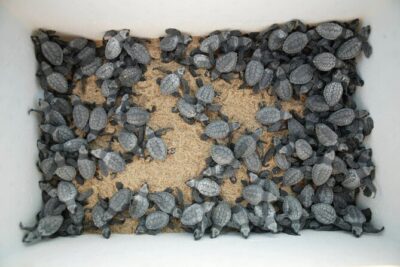 ★ 4.5Los Cabos Turtle Release Eco-ExperienceFrom $9575 reviews
 ★ 5.0The only Natural Space Dolphin Encounter in Cabo Optional Pickup!From $15546 reviews
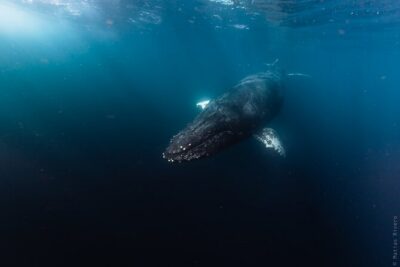 ★ 5.0Ocean Safari in San Jose del CaboFrom $20031 reviews
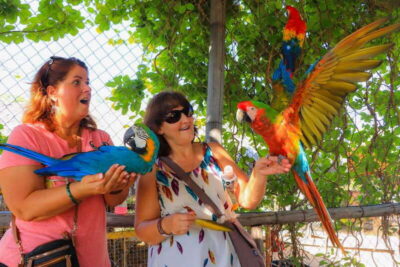 ★ 4.3Animal Encounter & Aqua Park AdventureFrom $11529 reviews
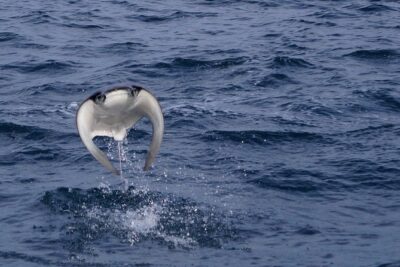 ★ 5.0Mobula Ray SnorkelingFrom $16926 reviews
 ★ 5.0Ocean Safari Tour in Cabo San LucasFrom $20825 reviews
Browse the lists this tour appears in