
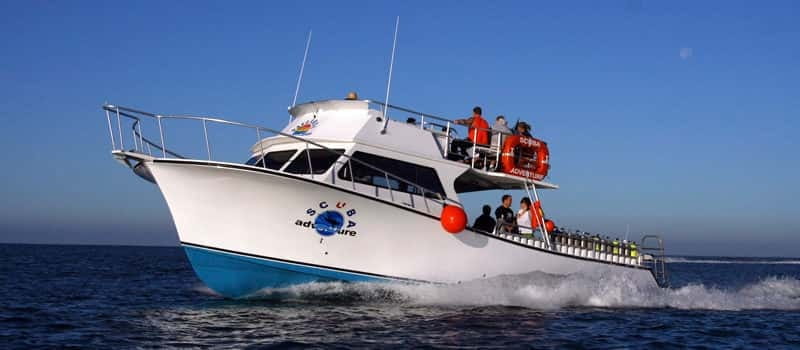
Reviewed · SCUBA DIVING IN CABO
Los Cabos: 3-Hour Introductory Scuba Diving Adventure
One sentence. Short and sweet.
This is an easy first step into the Sea of Cortez underwater world. What makes it worth your time is the small-group setup (up to 6) and the clear plan: a calm pool-style prep, then one controlled ocean scuba session with a certified instructor. I also like that the conditions are usually great year-round, with visibility often reaching 100 feet. The main thing to consider is it is not a casual float: you’ll need to be medically cleared and comfortable swimming, since it is not suitable for people with certain health issues.
You’ll start on land with hotel pickup, then head out by van, cruise along the coastline, and get a focused skills lesson before you ever go down. Expect patient, kind coaching that builds confidence fast, and a short list of named underwater spots where you can see schooling fish and coral formations in warm water. The only drawback I see for some people is the budget creep: equipment rental, transportation, and dock fees can add up on top of the headline price.
In This Review
- Key highlights worth your attention
- Intro “scuba” in Los Cabos: what you’re really buying
- Getting to the water: pickup, van ride, and what to look for
- The 30-minute orientation and shallow-water skills check
- The boat cruise between Cabo’s shoreline landmarks
- Your one-tank ocean session: depth, visibility, and what you’ll look for
- Budget reality check: what $129 turns into
- What to bring (and what you must leave behind)
- Who this experience suits best (and who should skip it)
- My practical take: will you enjoy it?
- Should you book this Los Cabos intro scuba session?
- FAQ
- How long is the Los Cabos intro scuba experience?
- Where does pickup happen?
- What’s included in the price?
- How deep will I go?
- What’s the water visibility and temperature like?
- What isn’t included?
- Are cameras allowed?
- Who should not take this activity?
Key highlights worth your attention
- Up to 6 people means more hands-on help and less waiting around.
- 30-minute instructional orientation before any open-water time.
- Shallow-water skill checks so you build confidence before going deeper.
- Up to 20 feet during your one ocean tank session.
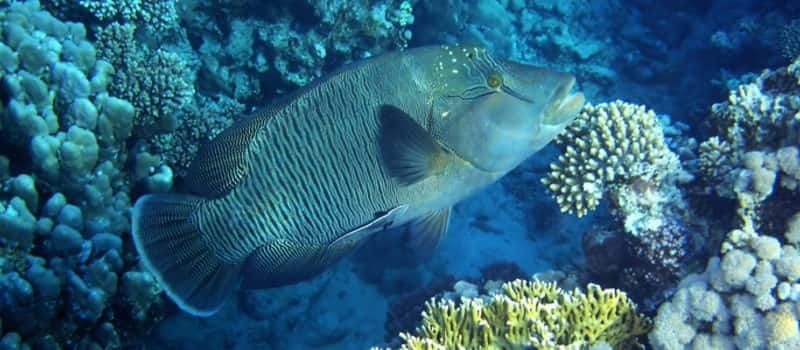
- Visibility up to 100 feet and warm water most of the year.
- Named Cabo underwater spots (Pelican Rock, Land’s End, Neptune’s Finger, North Wall, Sand Falls) that beginners can handle.
Two-tank days and dive courses around Cabo, ranked
- Snorkeling Adventure Cabo Pulmo
★ 4.5 · 31 reviews - Los Cabos: 3-Hour Introductory Scuba Diving Adventure
★ 4.7 · 10 reviews - Los Cabos 3-Hour Certified Scuba Diving Tour
★ 4.8 · 6 reviews
Intro “scuba” in Los Cabos: what you’re really buying
This is a true beginner-friendly experience, not a half-day “hope you figure it out” plan. You’re paying for structured coaching plus one guided ocean session with a certified instructor who stays focused on safety and comfort. The value here is that you get a full arc of training in just 3.5 hours: instruction, shallow practice, then a controlled tank session.
If you’ve been curious about what’s down there in the Sea of Cortez, this format helps you skip the guesswork. You learn basics first, then you use them right away. And you do it in a place where conditions are typically forgiving: visibility can run to 100 feet, with water temperatures averaging 78 to 85°F.
The “gotcha” is that you’re not just watching from a boat. You’re learning a gear-based skill, so you’ll need to bring the right mindset: listen, follow directions, and accept that it’s a beginner experience even if the scenery is impressive.
Getting to the water: pickup, van ride, and what to look for
The tour starts with pickup in Cabo San Lucas from selected hotels and resorts. Plan for a van ride of about 1.5 hours to reach the launch area. It’s a long enough stretch that I’d treat it like part of the experience rather than something you’ll barely feel.
Look for the white Cabo Adventures van, and note that the drivers wear light blue polos. That detail matters when you’re traveling in a busy tourist zone and you don’t want to waste time hunting for the correct group.
Once you’re on site, the day shifts into “on the move” mode: boat cruise time, sightseeing, wildlife viewing, and a safety briefing before you head into the water. If you like structure, you’ll probably appreciate this. It keeps you from wandering off into confusion while everyone else gets ready.
The 30-minute orientation and shallow-water skills check
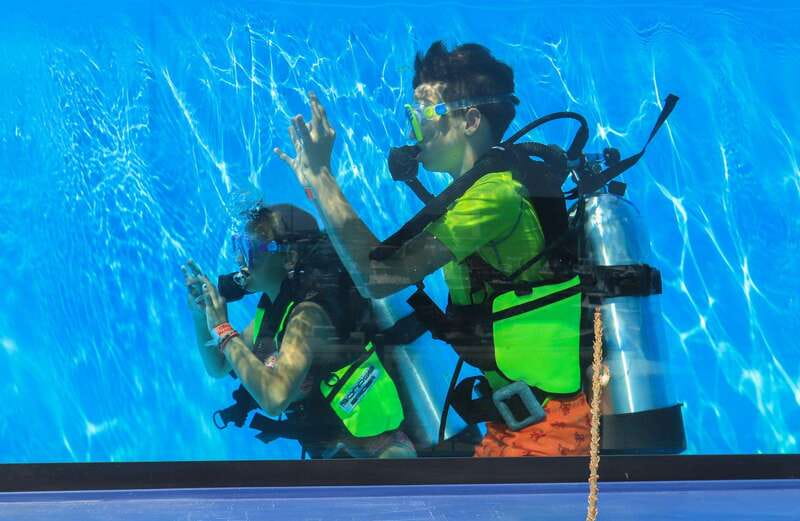
Before the ocean tank session, you get about 30 minutes of instruction from a certified scuba instructor. This is where the experience earns its keep. Beginners often stress about gear, timing, and what to do first. Here, you get an orientation designed to calm that down.
After that, you’ll test what you learn and practice skills in shallow water. The goal is simple: build confidence before you ever go deeper. You’re not thrown into the deep end. You do a reality check at a comfortable depth, then you go into open water once you’re ready.
You’ll also notice the instructors are described in the feedback as patient, kind, and encouraging. That style is a big deal for first-timers because the fastest way to enjoy a water activity is to feel supported when something feels new.
The boat cruise between Cabo’s shoreline landmarks
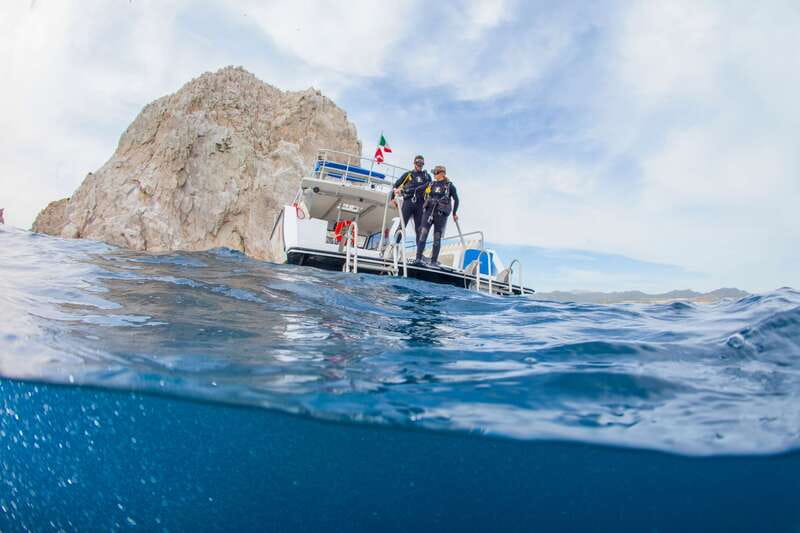
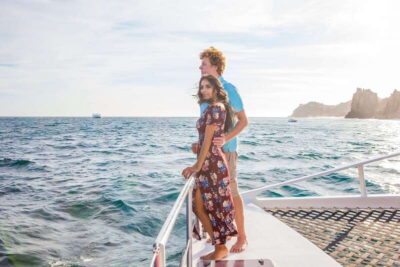
After orientation and prep, the day transitions to boat time. You’ll get a guided tour with a cruise that includes sightseeing and marine life viewing. You’re also in the right location to spot wildlife while you travel.
The cruise is where the Cabo coastline energy shows up. You’ll be taken past several famous underwater spots that your instructor uses for the ocean session. The named stops include Pelican Rock, Land’s End, Neptune’s Finger, the North Wall, and the Sand Falls. Even if you don’t fully picture each location at first, the names help you understand what kind of underwater terrain you’re heading toward.
One consideration: because the group is capped at 6, you may not get the kind of long, flexible “stay out here until sunset” pace some private tours offer. This is efficient. The upside is you get more guided attention when it counts.





Your one-tank ocean session: depth, visibility, and what you’ll look for
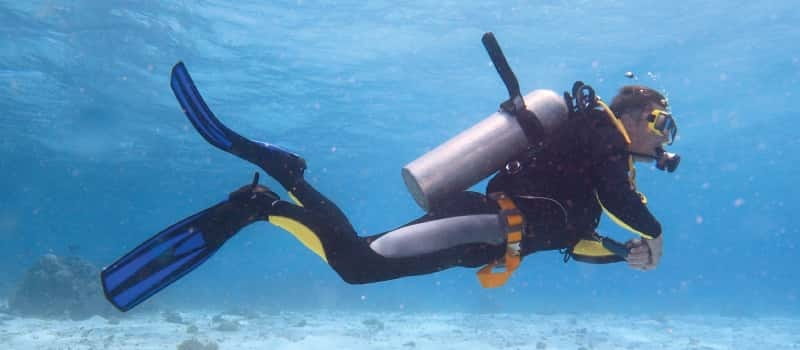
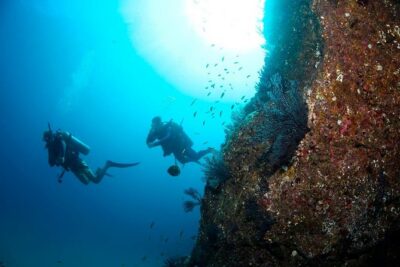
This is the main event. Your ocean training session takes you to a maximum depth of about 20 feet. That depth is a sweet spot for beginners: you get a real underwater experience without turning it into a complicated survival game.
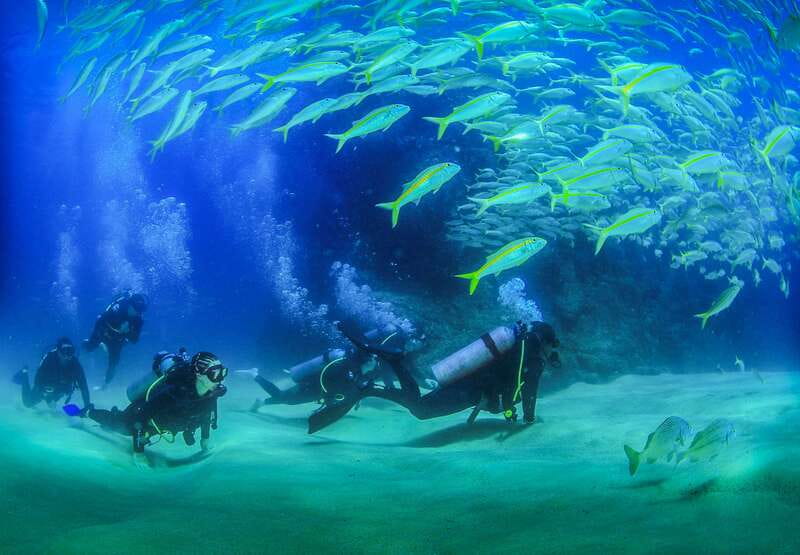
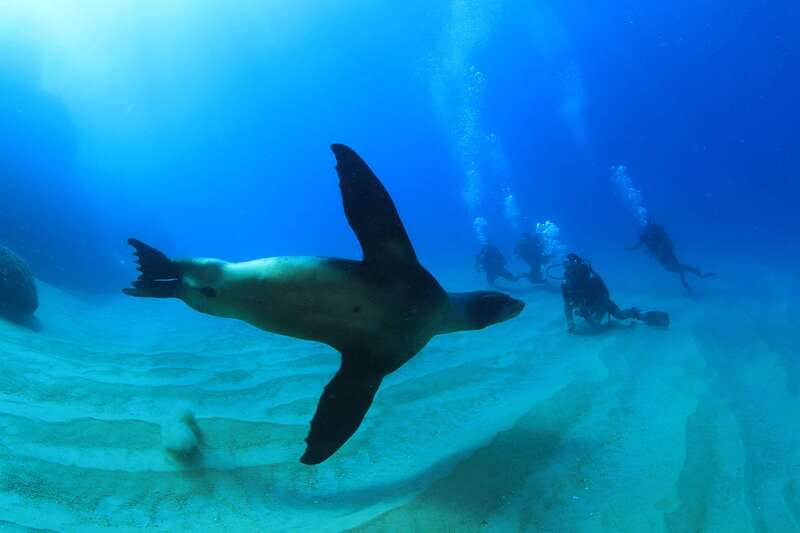
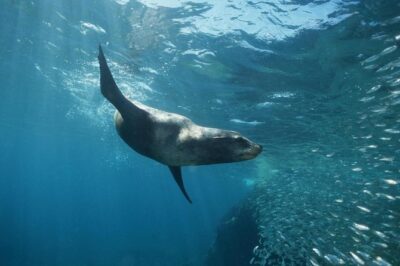
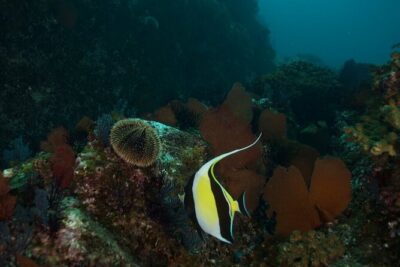
You’ll explore underwater features including caves, reefs, and sandfalls as part of the guided experience. The exact sights you see will depend on conditions, but you can plan on encountering schooling fish and brilliant coral formations found in the Sea of Cortez.
Now, about conditions. This matters more than people think. The tour runs with great conditions all year, but June through December typically brings the best visibility and the warmest water, plus longer stretches of calmer weather. Visibility can exceed 100 feet, and the water temperature averages 78–85°F.
That combination is why this experience feels especially smooth for first-timers. When the water is clear and warm, you spend less mental energy worrying about discomfort or not seeing what’s around you.
Budget reality check: what $129 turns into
The listed price is $129 per person, and it covers the core experience components. But here’s the part people miss: the total cost can rise with a few add-ons that are standard for the day.
Not included:
- Dive gear rental fee: $40 per person
- Optional photos (extra)
- Transportation fee: $10 USD round-trip per person
(and $5 for children)
- Towels
Also required:
- A $2 USD dock fee per person at check-in
So if you’re budgeting, think in terms of a package:
- Tour price ($129)
- Gear rental ($40)
- Transportation ($10)
- Dock fee ($2)
Then add any photo package if you want it.
That’s still not outrageous for a guided, instructor-led ocean experience with a small group and a one-tank session. But it is worth checking so you don’t get surprised at the end of a sunny morning.
What to bring (and what you must leave behind)
For this activity, pack like you’re going to the water all day in warm weather.
Bring:
- Sunglasses
- Sun hat
- Towel
A quick note: towels are not included, so don’t assume you’ll be able to borrow one.
What you should not bring:
- Cameras are not allowed.
That rule changes your photo plan. If you’re the type who always documents your trip, you’ll want to adjust expectations. The only photo option mentioned is optional photos sold separately, so plan on relying on those instead of bringing your own camera.
Also, wear practical sun protection. You’ll be outdoors before and after the water time, and the Sea of Cortez conditions are usually hot and bright.
Who this experience suits best (and who should skip it)
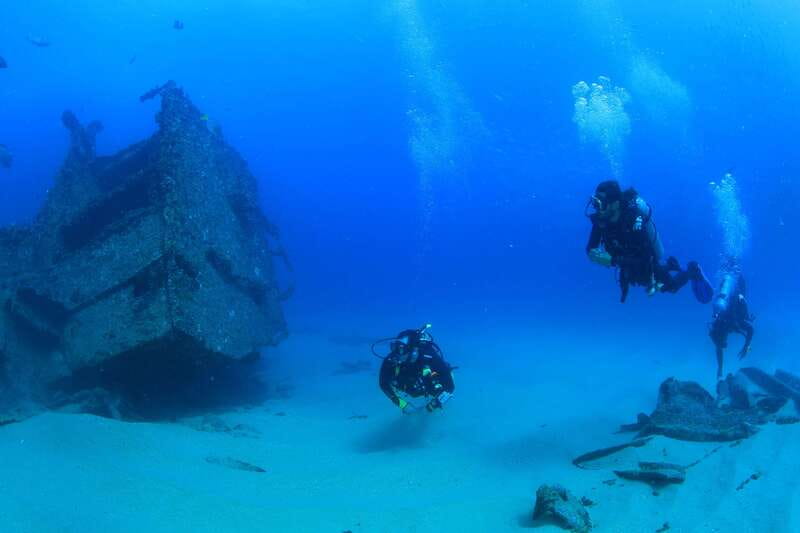
This is designed for beginners who can swim. It’s explicitly labeled as not suitable for:
- Children under 12
- Pregnant women
- People with heart problems
- Wheelchair users
- Non-swimmers
- People with respiratory issues
- People with diabetes
- People with recent surgery
It also lists not suitability for people with diabetes, respiratory issues, recent surgery, or pregnancy.
If you fall into any of those categories, I’d skip this specific activity and look for an alternative that matches your medical situation. Even when you feel fine on land, scuba-related activities involve pressure and exertion you don’t want to gamble with.
If you are a healthy swimmer who wants a first tank session, this is a strong fit. The shallow practice and the structured orientation reduce the uncertainty that makes people hesitate at the start.
Language is also a plus. The instructor can work in Spanish and English, so you’re not stuck if you’re more comfortable in one language than the other.
My practical take: will you enjoy it?
I think the biggest strength is the pacing. You don’t just jump from boat to deep water. You get an orientation, you check skills in shallow water, and then you do one controlled ocean session to about 20 feet. That structure protects your time and your nerves.
I also like the small-group size. When you’re capped at 6, you get more direct attention. That matters because gear and breathing technique can feel awkward in the moment, especially the first time.
Finally, the conditions help your enjoyment. When visibility can hit 100 feet and the water runs around 78–85°F, the underwater experience becomes the reward, not the challenge.
One drawback to be honest about: the experience is not set up for people who want total control over gear and timing. You follow the instructor’s plan. If you like spontaneity, you may feel slightly constrained. If you like safety and guidance, you’ll probably appreciate it.
Should you book this Los Cabos intro scuba session?
Book it if:
- You’re a confident swimmer and want your first real guided scuba experience.
- You want a short, efficient outing that still includes instruction, practice, and one ocean tank session.
- You’re excited about the Sea of Cortez underwater scenery, especially schooling fish and coral formations.
Skip it if:
- You have any of the listed medical or safety limitations.
- You want to bring your own camera. Cameras are not allowed, and the only photo option mentioned is optional photos sold separately.
- You’re trying to keep the trip as cheap as possible, since gear rental, transportation, and dock fees can add on.
If your goal is simple: try scuba with guidance, in warm clear water, with a small team that keeps you calm, this one checks the boxes.
FAQ
How long is the Los Cabos intro scuba experience?
The duration is 3.5 hours from hotel pickup to return.
Where does pickup happen?
Pickup is available from selected hotels and resorts in Cabo San Lucas. You’ll look for a white Cabo Adventures van with drivers in light blue polos.
What’s included in the price?
Included: a certified dive instructor, an introductory pool skills session, and one tank ocean session.
How deep will I go?
You’ll go up to about 20 feet below the surface during the ocean session.
What’s the water visibility and temperature like?
Visibility can exceed 100 feet, and water temperature averages 78 to 85°F. June to December typically offers the best visibility and calm conditions.
What isn’t included?
Not included: equipment rental fee ($40 per person), optional photos, 10 USD round-trip transportation fee per person (5 USD for children), and towels.
Are cameras allowed?
No. Cameras are not allowed.
Who should not take this activity?
It is not suitable for children under 12, non-swimmers, wheelchair users, pregnant women, people with heart problems, people with respiratory issues, people with diabetes, or those who have had recent surgery.
More Scuba Diving in Los Cabos
More Tour Reviews in Los Cabos

More Cabo Dive Trips
Just added to our Los Cabos notebook





Scuba Diving in Cabo, compared.
 ★ 5.02-Tank Scuba Dive in Cabo San Lucas Reserve for Certified DiversFrom $138263 reviews
 ★ 5.0Beginner Scuba Diving in Cabo San LucasFrom $142247 reviews
 ★ 5.02 Tank Dive – Certified Divers (Santa Maria Bay & Chileno Bay)From $140162 reviews
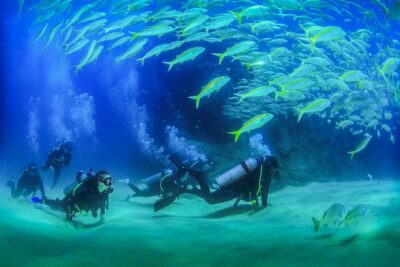 ★ 4.5Learn to Scuba Dive in Cabo San Lucas with PADIFrom $129157 reviews
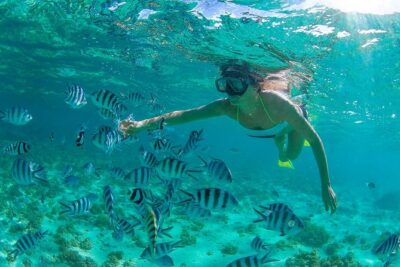 ★ 4.5Cabo Pulmo National Park Snorkel Expedition from Cabo San LucasFrom $279134 reviews
 ★ 5.0Private Jeep Tour Cabo PulmoFrom $65087 reviews
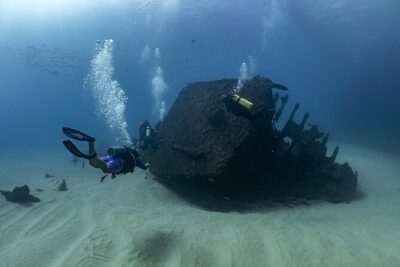 ★ 5.0Scuba DivingFrom $14980 reviews
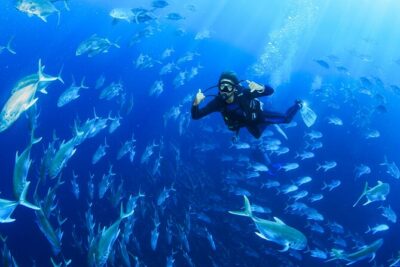 ★ 4.5Cabo San Lucas Certified 2 Tank Dive at the Famous Arch and Land’s EndFrom $12968 reviews
Browse the lists this tour appears in