
Reviewed · SCUBA DIVING IN CABO
Beginner Scuba Diving in Cabo San Lucas
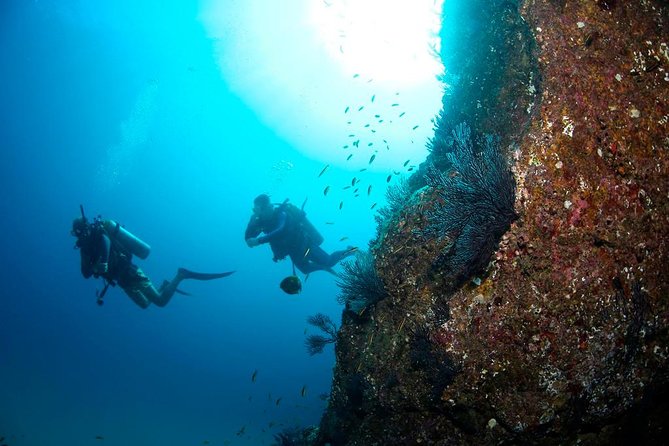
Cabo turns first-time scuba nerves into smiles. This beginner scuba course pairs PADI-certified instruction with two standout local spots—the manta area and the Arch—so you learn the basics and then get rewarded with real marine life.
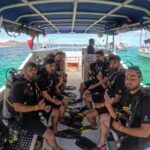
I love the smooth flow from check-in to water time: you fill out a medical form, get fitted with equipment, and start with simple skill practice right away. I also love that the crew keeps groups small (max 4), which means real attention when your brain is busy learning signals and breathing.
One consideration: ear discomfort can happen on any first-time underwater session, and safety protocols can mean you won’t get an instant change in plan if something feels off. One guest wanted a faster return when ear pain started, but the instructor followed the slower, safety-first ascent procedure.
In This Review
- Key points that make this Cabo course worth it
- Why Cabo San Lucas works so well for your first scuba course
- Meeting at Blvd. Paseo de la Marina: what your 4-hour day actually looks like
- The classroom-to-water rhythm: forms, gear, and skill practice
- Stop 1: the manta area and the kind of marine life you should expect
- Stop 2: the Arch of Cabo San Lucas for big views and big animals
- Gear and costs: tanks, weights, water, plus what costs extra
- Safety and ear comfort: what the protocol means for you
- Season, temperature, and visibility: plan for real Cabo water
- Small-group attention: why max 4 people changes everything
- Who should book this first-time underwater session
- Should you book this Cabo course?
- FAQ
- How long is the beginner scuba session in Cabo San Lucas?
- Where do we meet for the tour?
- What is included in the $142 price?
- What costs extra?
- What is the minimum age?
- Do I need to complete any health paperwork?
- Is it okay to fly and then go underwater the next day?
- What should I avoid before the session?
- How many people are in the group?
- What if weather is bad?
Key points that make this Cabo course worth it
- PADI-certified guides with calm coaching you can trust when you feel anxious, like instructors Martin and Julio who are repeatedly praised for patience.
- Two marine hotspots: the manta area plus the Arch of Cabo San Lucas for a strong mix of animals and scenery.
- Small-group feel (up to 4 people) so you’re not left to figure things out alone.
- You practice skills before the main experience, including communication and basic underwater control, so confidence builds fast.
- Gear and park costs are built in: tanks, weights, bottled water, local taxes, and national park fees are included.
- Conditions vary (clarity and temperature), so you’ll get the full Cabo reality check—warm at first, cooler down the way, plus wet suits in cooler months.
Two-tank days and dive courses around Cabo, ranked
- Beginner Scuba Diving in Cabo San Lucas
★ 5.0 · 247 reviews - 3-Tank Scuba in Marine Reserve and Corridor for Certified Divers
★ 5.0 · 196 reviews - 2 Tank Dive – Certified Divers (Santa Maria Bay & Chileno Bay)
★ 5.0 · 162 reviews - Private Jeep Tour Cabo Pulmo
★ 5.0 · 87 reviews
Why Cabo San Lucas works so well for your first scuba course
Cabo San Lucas is one of those places where the underwater world feels both accessible and exciting—perfect for beginners who want to feel safe without sacrificing the payoff. The area is known for wildlife, and the stop list reflects that: you’re not just “learning on boring sand.” You’re going to sites that can show you bigger personalities, from manta rays to sea lions and sharks.
I also like the practical angle here. You get guidance on the gear, the signals, and the safety procedures before you’re fully down. That matters because scuba is less about bravery and more about coordination: buoyancy control, relaxed breathing, and clear communication with your guide.
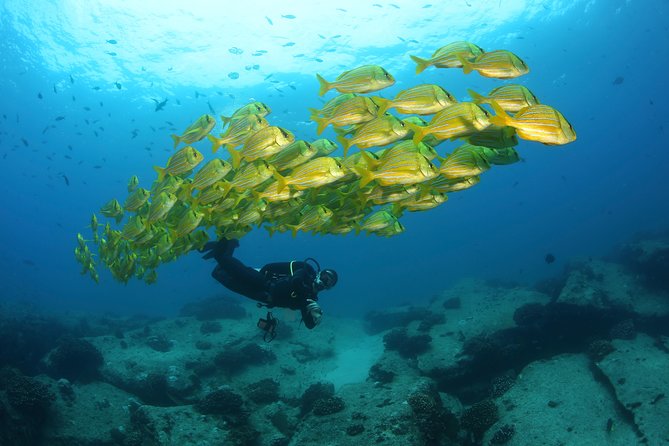
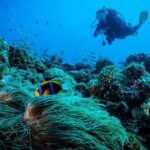
In the experience reports, people describe seeing everything from colorful reef fish to larger animals like groupers, reef sharks, and manta rays, plus occasional surprises such as octopus. Even when visibility isn’t Caribbean-crystal-clear, you can still have an excellent wildlife experience—schools of fish and bright coral can do a lot of work for you.
Meeting at Blvd. Paseo de la Marina: what your 4-hour day actually looks like
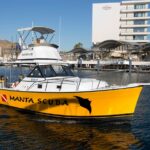
Your meeting point is at Manta Scuba Diving, Blvd. Paseo de la Marina 7D, Centro, Marina, 23450 Cabo San Lucas, B.C.S., Mexico. The site is near public transportation, and you’ll use a mobile ticket. If you’re coming from a cruise tender, you’ll want to build in extra time, since one review noted they had to wait for a tender off the ship before check-in.
Timing matters because the whole session is about momentum. After you meet your instructor, you’ll handle the basics on land—medical paperwork, gear fitting, and a readiness check—then you head out by boat. The boat ride is short, about 5 minutes, which keeps the day from dragging while you’re still getting acclimated.
This is also a good course if you like structure. You’ll know what comes next: paperwork, gear, instructions, short practice, then the underwater portion with the two planned stops. For first-timers, that steady rhythm reduces the “what if I’m doing it wrong” stress.
The classroom-to-water rhythm: forms, gear, and skill practice
Before you ever go underwater, you’ll meet your PADI instructor and complete a medical form and required health questionnaire. If you have asthma, heart conditions, or other concerns, the course notes that you may not be able to participate—so it’s smart to check with your doctor ahead of time.
Then comes gear. You’ll be fitted and briefed on how everything works, including communication and safety procedures. The guide explains the environment too, so you’re not guessing. A repeated theme in the feedback is that the instructors stay calm and keep checking on you underwater with hand signals.
The key part for beginners is the skills phase. You’ll practice a few basic underwater tasks first. People describe this as easy to learn, and they mention building confidence quickly once the guide breaks it down. One first-timer credited the instructor with helping regulate ear pressure and another praised an instructor for using a flashlight when water got murkier, revealing details you’d otherwise miss.
If you’re anxious (totally normal), this is where you’ll feel the difference between rushed training and supportive training. Several instructors are specifically praised for patience—Angela is described as thorough and safe, Monty as very patient for a family first-timer, and Julio as taking things in small steps.
Stop 1: the manta area and the kind of marine life you should expect
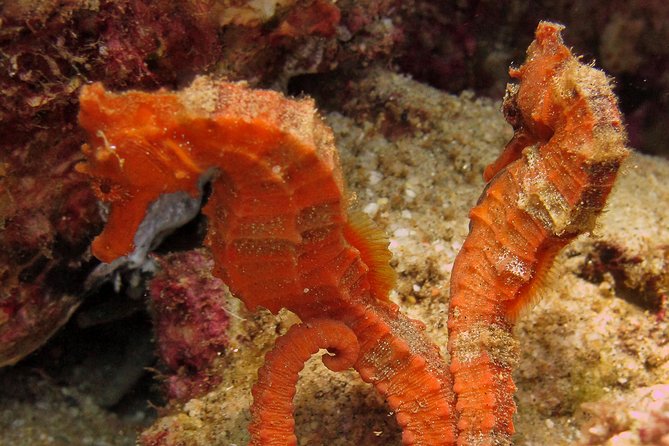
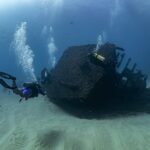
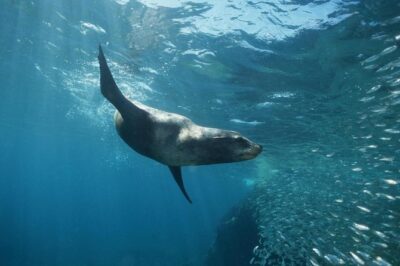
Stop 1 is the manta area. This is the first big wildlife payoff, and it’s designed to show you the “why” behind your training. People report seeing manta rays, plus other animals like sea lions, octopus, and various sharks depending on conditions.
One detail I really like for beginners: instructors don’t just point out animals from a distance. They actively keep you oriented—checking your comfort level, watching your breathing, and using signals so you don’t feel lost. That’s how you end up actually noticing the small things too: corals, fish behavior, and the way marine life moves through the water column.
Visibility can vary, and a guest mentioned murky water. The good news is that the guide used a flashlight to help reveal hidden underwater features. That’s a practical reminder: don’t expect perfect clarity every day, but you can still have a memorable experience when the guide adapts.
A handful more around Los Cabos we would happily send a friend to
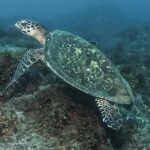
Stop 2: the Arch of Cabo San Lucas for big views and big animals
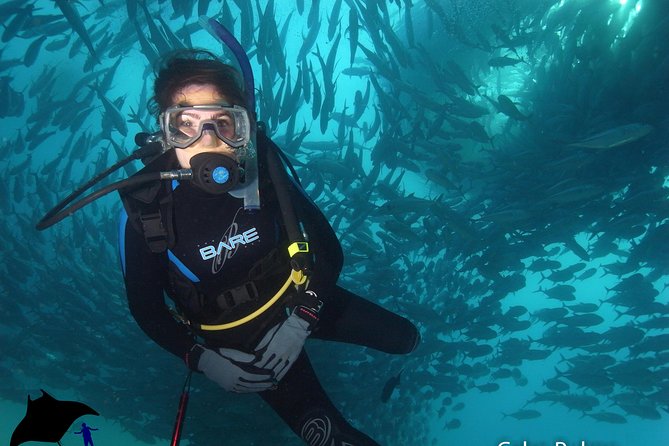
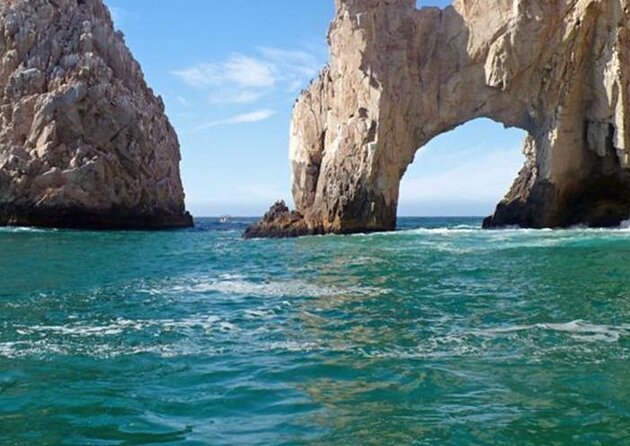
Stop 2 is the Arch of Cabo San Lucas, a classic underwater landmark that brings a different feel compared to the manta area. The Arch is the kind of spot where animals can appear with more dramatic silhouettes, and it tends to make the whole session feel cinematic—even if you’re mostly focused on staying relaxed.
In the feedback, the Arch stop shows up alongside sightings like sea lions, groupers, reef sharks, eels, and lots of colorful fish. People also mention the underwater world feeling packed with life even when visibility isn’t Caribbean-clear. That’s important: a lower-visibility day doesn’t mean a low-quality day. It just means you rely more on wildlife activity, guide pointing, and your own comfort in the water.
For you, the benefit is confidence transfer. After the first stop and a skills refresher, you’re usually more at ease for the second site. That’s when you can start enjoying the underwater environment instead of managing every sensation.
Gear and costs: tanks, weights, water, plus what costs extra
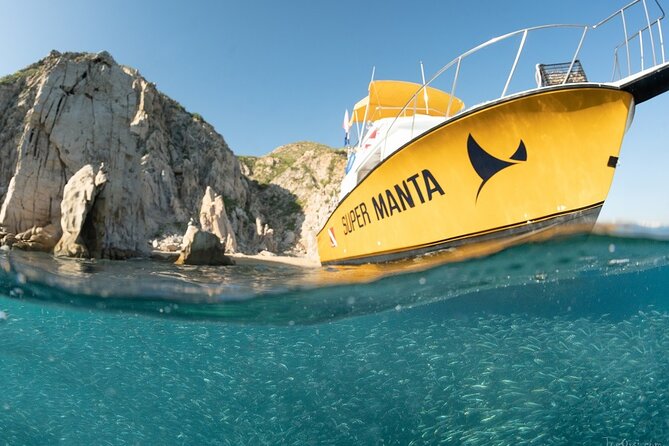
The price is $142.00 per person for about 4 hours. For that, you get a lot of the expensive friction removed: tanks, weights, bottled water, and a professional guide are included, along with local taxes and national park fees. For many people, that makes the value feel much better than a bare-bones excursion where add-ons sneak up on you.
What’s not included: the tour lists use of scuba equipment at $40 per person and an optional second underwater session at $45 per person. The wording matters. Tanks and weights are included, but additional scuba gear usage may require the extra fee—so if you want certainty, ask what exactly is covered under your booking for your day.
Also, I’d budget for gratuity. One review explicitly said to bring money for tips because the guides earn it. Even if tipping isn’t required, small-group guided instruction is personal work, and the crew is doing a lot to keep you safe and calm.
Safety and ear comfort: what the protocol means for you
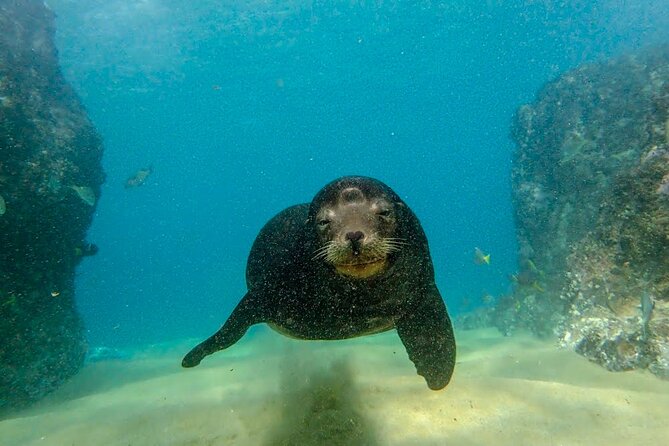
Safety rules here are not theoretical. You’ll complete a health questionnaire, and the course notes that certain medical conditions can prevent participation. You’re also told that diving within 18 hours of flying isn’t recommended, and alcohol isn’t recommended at least 12 hours before you go underwater.
Now for the part beginners worry about: ear pain and pressure. One review described ear pain that worsened as the participant continued downward and asked to return up sooner. The instructor did not allow a faster change, explaining that safety standards require a slow ascent. That’s the key takeaway for you: if something feels wrong, speak up early and clearly—but also understand the guide may still follow a slow, controlled procedure.
This is why calm guidance matters. Several instructors are praised specifically for calming nervous people at the start—Mercedes is noted for soothing a fearful first-timer, and Julio is repeatedly described as patient and attentive, even working through breathing control step by step. A good guide helps you stay ahead of problems rather than reacting once you’re overwhelmed.
If you’ve had ear trouble in the past, be extra proactive: talk to your doctor and mention any concerns before booking. Your body sets the rules for what’s comfortable.
Season, temperature, and visibility: plan for real Cabo water
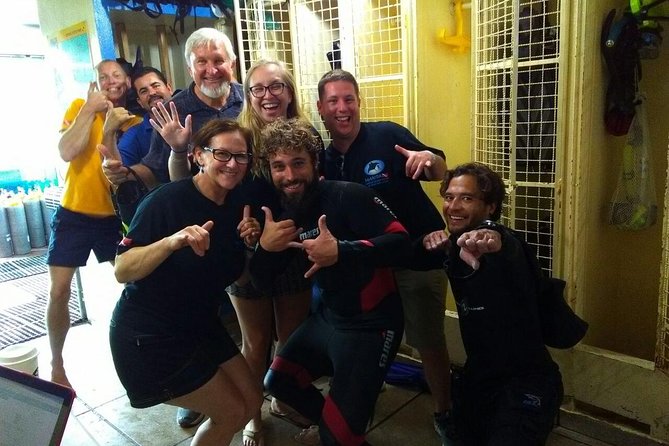
Cabo underwater conditions shift through the year. People mention that early on, water can feel warm, but it can get cooler as you go farther down—one guest in late June described that pattern. Another mentioned that mid-March water can be more cold, though wet suits are provided and make it tolerable.
Visibility also varies. Multiple people say it’s not the same clarity you might see in the Caribbean, but they still report strong marine life and lots of fish. In other words, don’t book expecting perfect glass every day. Book expecting a lively underwater ecosystem plus a guide who knows how to help you see it.
My practical suggestion: dress with the wet suit in mind. You don’t need to bring fancy gear beyond what you’re told, but you should plan to feel cold at the start if you’re not used to open-water temperature swings. Once you’re moving comfortably, most people adjust quickly.
Small-group attention: why max 4 people changes everything
The tour lists a maximum of 4 travelers. That’s not a marketing detail—it directly affects your experience. With fewer people, your guide can spend time on your questions, your buoyancy control, and your comfort level. Several reviews mention constant check-ins underwater and communication that feels clear.
One solo guest said the instructor made them feel at ease the whole time, even when they were the only non-certified person in the group. Another family noted they kept the whole group confident, including children. And one review specifically pointed out a ratio of one guide to two people, which is the kind of attention that helps beginners avoid panic.
If you’re traveling with kids, or if you’re someone who needs reassurance, this small size is a big part of the value. It’s also why “patient and calm” shows up again and again in the feedback—because the instructors have the bandwidth to actually teach instead of just supervise.
Who should book this first-time underwater session
This course is designed for beginners and also works for people who are rusty. The minimum age is 10, and the tour notes a moderate physical fitness level. If you can handle basic walking, getting on and off a boat safely, and staying calm while learning new skills, you’re likely a good fit.
It’s especially well-suited if you:
- want PADI-certified guidance and structured instruction before you go deeper
- feel nervous and want instructors known for patience, like Martin, Angela, Julio, or Monty
- want a strong chance of seeing wildlife like sea lions, manta rays, octopus, and reef fish within a short time window
You may want to think twice if:
- you have medical conditions that could be a scuba issue (the health questionnaire is required)
- you plan to fly and then go underwater within 18 hours
- you know you have a history of significant ear pain on pressure changes
Should you book this Cabo course?
If you’re a first-timer who wants a safe, instructor-led experience with a real chance at manta rays and lots of marine life, this is an easy yes. The $142 price feels fair because major costs are included: guide time, tanks, weights, bottled water, and park fees. You also get a tight, beginner-friendly flow—brief land setup, short boat ride, controlled skill practice, then two wildlife-focused stops.
Book it when you want structure and you want someone calm next to you while you learn. If you’re worried about ear pressure, bring that concern to the instructor early and be honest about your medical history. The guides can’t change biology, but they can do a lot to help you feel prepared and safe.
FAQ
How long is the beginner scuba session in Cabo San Lucas?
It lasts about 4 hours.
Where do we meet for the tour?
Meet at Manta Scuba Diving, Blvd. Paseo de la Marina 7D, Centro, Marina, 23450 Cabo San Lucas, B.C.S., Mexico.
What is included in the $142 price?
Local taxes, national park fees, bottled water, a professional guide, tanks, and weights are included.
What costs extra?
An optional second underwater session costs $45 per person. Use of scuba equipment costs $40 per person and is not included.
What is the minimum age?
The minimum age is 10 years old.
Do I need to complete any health paperwork?
Yes. You’ll fill out a medical form and you’ll be required to complete a health questionnaire prior to diving.
Is it okay to fly and then go underwater the next day?
It’s not recommended to go underwater within 18 hours of flying.
What should I avoid before the session?
You’re told that drinking alcohol is not recommended at least 12 hours before.
How many people are in the group?
This activity has a maximum of 4 travelers.
What if weather is bad?
This experience requires good weather. If it’s canceled due to poor weather, you’ll be offered a different date or a full refund.
More Scuba Diving in Cabo San Lucas
More Tour Reviews in Cabo San Lucas

More Cabo Dive Trips
Just added to our Los Cabos notebook
Scuba Diving in Cabo, compared.
 ★ 5.02-Tank Scuba Dive in Cabo San Lucas Reserve for Certified DiversFrom $138263 reviews
 ★ 5.02 Tank Dive – Certified Divers (Santa Maria Bay & Chileno Bay)From $140162 reviews
 ★ 4.5Learn to Scuba Dive in Cabo San Lucas with PADIFrom $129157 reviews
 ★ 4.5Cabo Pulmo National Park Snorkel Expedition from Cabo San LucasFrom $279134 reviews
 ★ 5.0Private Jeep Tour Cabo PulmoFrom $65087 reviews
 ★ 5.0Scuba DivingFrom $14980 reviews
 ★ 4.5Cabo San Lucas Certified 2 Tank Dive at the Famous Arch and Land’s EndFrom $12968 reviews
 ★ 5.0Los Cabos Beginner Scuba Dive ExperienceFrom $14351 reviews
Browse the lists this tour appears in