
Reviewed · CABO SURF LESSONS
Cabo epic private surf and video photography adventure
First wave jitters, captured. This Cabo San Lucas adventure pairs a private surf session with professional video and photo work so you don’t just ride waves, you get the kind of action images you usually only see in surf magazines. Up to four surfers can join, and the team shoots from both the lineup and the sand for close-ups, wide action, and real moments with your crew.
What I like most is the mix of fun and feedback. The guides (including Martin and Emiliano, per past guests) make it easy to feel comfortable, even if you’re brand new, and you get coaching plus photos so you can actually see what changed from attempt to attempt.
One consideration: the session depends on good weather. If conditions aren’t right, the experience can be rescheduled or refunded, so it helps to keep your Cabo schedule a little flexible.
In This Review
- Key Highlights
- How a Private Surf + Photo Session Plays Out in Cabo
- The Water Work: Where the Photos Get Interesting
- Coaching You Can Actually Use (Even If You’re New)
- The Camera Gear: Why the Photos Look Different
- Where You’ll Go for Waves (and What to Expect From the Session)
- The Little Extras That Make It Worth the Money
- Price Breakdown: What $200 Per Group Really Buys
- Tips That Help You Get Better Photos and a Better Ride
- When to Book (and What Weather Can Do)
- Should You Book This Private Surf + Video Photography Adventure?
- FAQ
- How long is the Cabo surf video and photo adventure?
- What’s the group size for this private session?
- Where does the experience take place?
- Do they provide professional photos and video?
- What camera gear is used for the photos?
- Are snacks or drinks included?
- Is this suitable for beginners?
- What happens if the weather is poor?
Key Highlights
- Private session for up to 4: family, couples, or a small surf crew share one focused shoot.
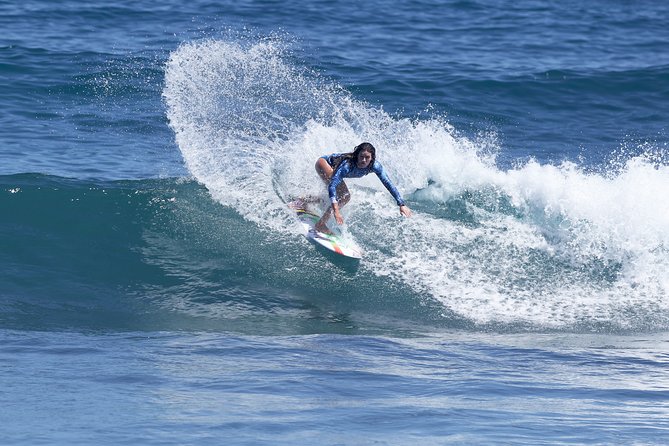
- Photos + video from two angles: from the water (close action) and from shore (wide context and expressions).
- Pro Canon camera package underwater-ready: Canon 7D/7D Mark II with L-series lenses in Nimar water housings.
- Beginner-friendly teaching: the team works with newcomers and can choose beginner-leaning waves.
- Door-to-door convenience: pickup and drop-off are part of the experience, which keeps your day stress-free.
- Memories you can download: action shots and your surfing face expressions turn into something you’ll want to keep.
First waves at Costa Azul and Cerritos, sorted
- Fun Surf Lessons & Tacos
★ 5.0 · 66 reviews - Private Surf lessons at Cerritos
★ 5.0 · 23 reviews - Half Day Surf Lesson in Costa Azul
★ 5.0 · 17 reviews - Cabo epic private surf and video photography adventure
★ 5.0 · 5 reviews
How a Private Surf + Photo Session Plays Out in Cabo
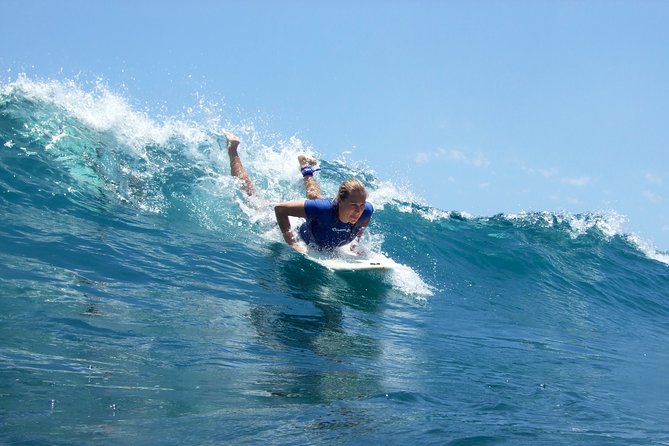
Cabo surf sessions can be hit-or-miss if you’re just trying to get on a board and hope for the best. This one is designed around two goals: help you ride better and document the day with serious gear.
You start in Cabo San Lucas, and the activity runs about 2 hours before you’re back at the meeting point. The private setup matters because it cuts through the usual chaos: you’re not competing for a spot, and the photographers and guides can watch you closely instead of rushing between a big group.
The day has a clear rhythm. First comes a quick setup and getting you comfortable with the plan. Then you hit the water while the team captures both underwater and surface action. Finally, you wrap up and transition back on land with snacks and drinks, plus photos that become your souvenir beyond a few blurry phone shots.
The Water Work: Where the Photos Get Interesting
This is the part that makes the experience feel different from a normal lesson. The photographers don’t just stand on shore taking occasional pics. They shoot from the water, and that changes everything.
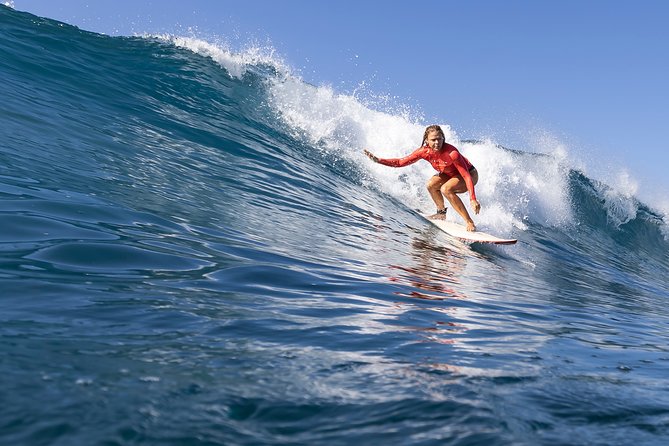
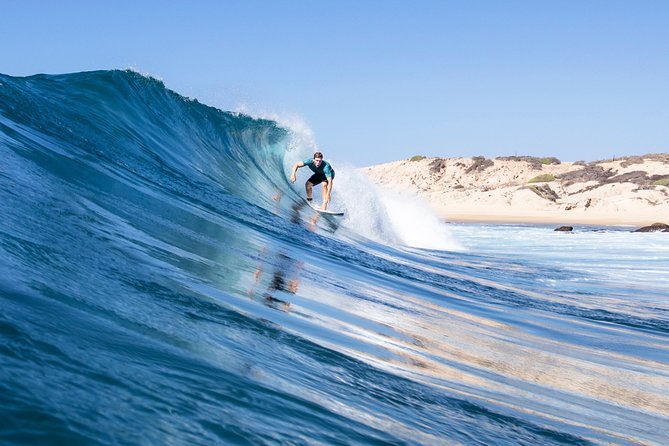
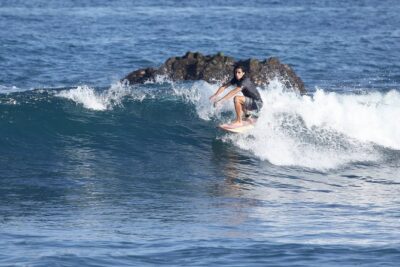
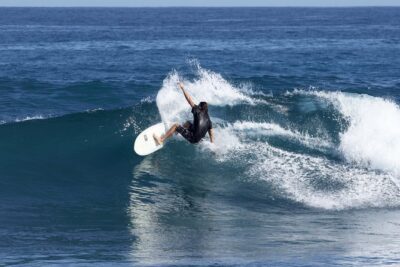
From inside the lineup, you get powerful close-ups—the kind of angles that show your stance, your timing, and the moment you commit to the wave. From the sand, you get the wide action shots and natural moments with your friends, so your set of photos doesn’t read like a machine-made montage.
I also like that the team uses professional water housings, which means the action shots are more likely to be crisp when you’re moving fast and the ocean is doing its thing. If you’ve ever tried to film surf on a phone, you already know the frustration: too much shake, too little clarity, and not enough angles that look good from behind you.
The session is private enough that the photographer can track you specifically. That’s especially helpful if you’re new. One guest noted that Martin took photos in a way that helped them learn by looking back at the shots—like a visual coaching tool, not just entertainment.
Coaching You Can Actually Use (Even If You’re New)
Surf lessons often fall into two extremes: either you get minimal instruction and mostly goof around, or you get coached so intensely that it stops being fun. This one lands in the middle.
From the feedback shared by previous riders, the team focuses on making newcomers comfortable and then giving clear direction. One person said the staff were professional and worked to help them feel at ease as a beginner. Another described getting one-on-one assistance in the water with constant feedback on what to do next.
That point is more important than it sounds. If you’re learning, the ocean moves faster than your memory. Having coaching while you’re riding—and photos you can review later—helps you connect what you intended to do with what actually happened.
Also, if you’re surfing with friends or family, the private format keeps the vibe good. You can split attention between riders without the feeling that the instructor has to sprint to keep a crowd together.
The Camera Gear: Why the Photos Look Different
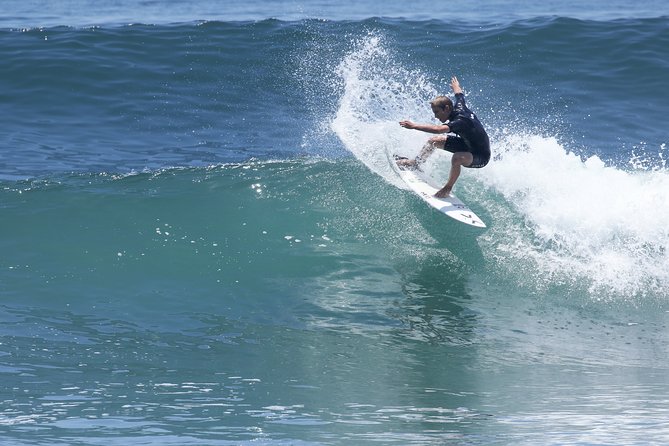
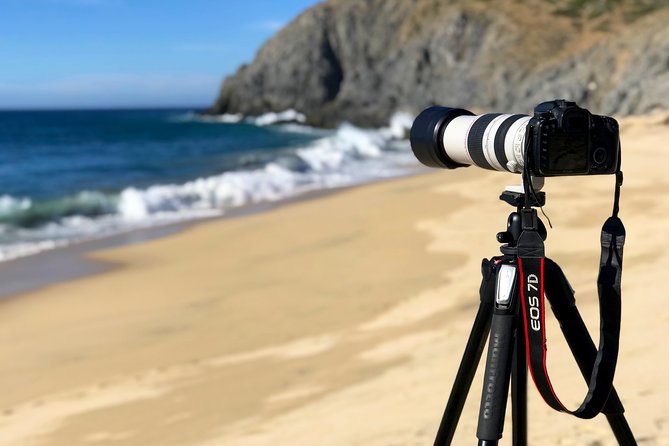
The equipment details are unusually specific for a short Cabo activity, and that’s a good sign. The team uses Canon 7D and 7D Mark II cameras with L-series lenses, including a 100 to 400mm option for zoomed action and longer reach shots. They also use wide perspectives, including fisheye-style lenses (8 to 15mm) and a 17 to 40mm wide angle range.
What really matters for you is how that translates on your screen. The longer lens helps with clean, sharp action without crowding your space. The wider lenses are what capture waves, spray, and the context of where you’re surfing—so your set looks like a full story, not only close fragments.
The cameras also go into Nimar water housings. That’s the difference between random underwater blur and usable images where you can recognize what’s happening. If you’re aiming for keepsakes you’ll share, this is the kind of setup that reduces the chance of coming home with only a few usable photos.
In at least one past experience, the action shots were clear enough that a guest could download them later and notice expressions during catches and rides. That kind of emotional detail is exactly what makes surf photos feel real.
Framed at the Arch: photo sessions we liked




Where You’ll Go for Waves (and What to Expect From the Session)
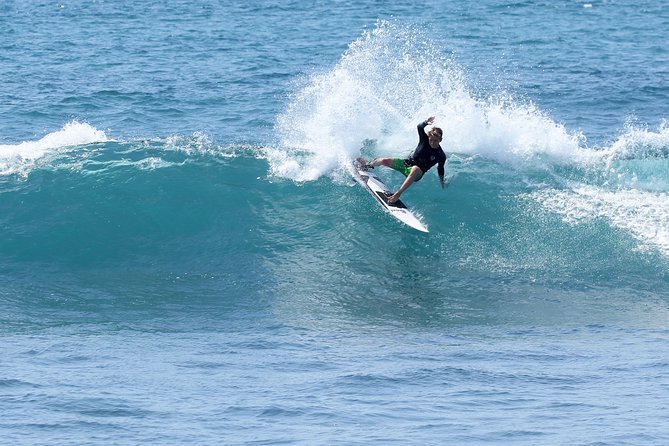
Your start and end are simple: you begin in Cabo San Lucas and finish back at the meeting point. The specific beach spot isn’t spelled out in the details, but the experience is built around finding workable surf.
One beginner-focused account mentioned heading to a remote surfing spot with good waves and very few people in the water. That’s a big plus if you don’t want to fight for every set. Fewer surfers typically means less waiting, less crowd interference, and a smoother pace for learning.
Timing-wise, plan for a compact session. You’re not signing up for an all-day expedition; you’re getting a tight two-hour window where the coaching, photos, and waves all need to come together. That’s why private format matters: the team can adjust the plan in real time to keep the session flowing instead of burning time.
If you’re experienced, the same focus on technique and close action photos can still work. You’ll get plenty of shots of your line and timing, and the crew can capture different angles without you feeling like you’re being treated like a beginner.
The Little Extras That Make It Worth the Money
Let’s talk value, because $200 per group (up to four) can be either a steal or a gamble depending on what’s included. Here, the value comes from bundling three things that normally cost extra or fall short on quality:
1) Private coaching and setup (not a large school vibe)
2) Professional photo/video work with real camera gear
3) Convenience like pickup/drop-off and a smooth day flow
A couple past guests called out door-to-door service and even mentioned boards being provided. Another mentioned food, snacks, and drinks. Those details matter because they remove the friction of planning a surf day: you’re not trying to coordinate rentals, water refills, and a snack stop while keeping your group moving.
Also, the photo component isn’t treated like an afterthought. The team shoots in water and from shore, so you’re more likely to get both action and personality shots. One person specifically highlighted how the set included expressions while riding waves. That’s the difference between “I have some photos” and “I want to keep these.”
Price Breakdown: What $200 Per Group Really Buys
At $200 per group up to 4, the pricing structure is simple: you’re paying for a private package, not per person. If you’re a couple, it’s easy to split. If you’re a small family, it can be a smarter choice than paying separate rates for each rider.
The best way to think about it: you’re not just buying a surf session. You’re buying high-quality documentation of the session. In many places, either the photos are handled by a phone-wielding friend, or the videographer shows up late, or you get only a few usable shots.
Here, the gear list and the two-angle approach suggest you’re paying for actual production value. You’re also paying for the time of guides and photographers over a short, focused window—so you get a lot of “done-for-you” help without spending your whole day on logistics.
If you’re the only surfer in a group and your friends just want to watch, the private format still keeps the experience focused, but it might feel like more than you need. This package is best when you’ll put at least a couple of boards in the water.
Tips That Help You Get Better Photos and a Better Ride
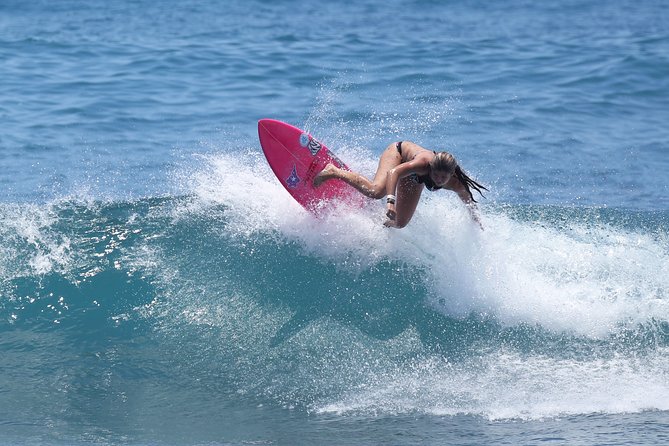
You’ll get a lot no matter what, but a few choices can make the session smoother.
- Wear a wetsuit or rash guard that you can move in comfortably. If you’re cold or adjusting constantly, your surfing gets choppy.
- If you’re a beginner, listen for feedback and try one change at a time. The coaching is meant to be practical in the moment.
- Don’t be shy about asking for a quick adjustment between waves. In a private session, the team can respond fast.
- Plan your hair and skin routine before you arrive. After saltwater and wind, you’ll want to rinse and reset quickly.
- Bring a spirit for fun. The photos from shore often capture the moment you’re learning and enjoying it, not only the perfect wave.
When to Book (and What Weather Can Do)
This experience requires good weather, and that’s not filler text—it’s what determines whether your surf window is safe and enjoyable. If conditions aren’t right, you’ll be offered another date or a full refund.
So, if you’re visiting Cabo with a packed schedule, consider booking earlier rather than at the end of your trip. A reschedule option helps, but it’s easier if your calendar has a little breathing room.
Should You Book This Private Surf + Video Photography Adventure?
If you want surf coaching plus a photo set that looks pro, I think this is an easy yes. It’s especially compelling if you’re learning, because the team’s approach aims to make you comfortable and then coach you in a way you can reference later through the images.
It’s also a smart pick for small groups—up to four—because you get a truly private feel without splitting your attention across a giant lineup. If you’ve ever left Cabo disappointed because you only got a few shaky surf pics, this package solves that problem with a serious camera setup and two-angle shooting.
I’d skip it only if you prefer solo, self-guided surf with zero coaching and you don’t care about photos or video at all. Otherwise, you’re paying for something you’ll use—better riding memories, and images that capture both action and expression.
FAQ
How long is the Cabo surf video and photo adventure?
It lasts about 2 hours.
What’s the group size for this private session?
It’s private, and up to 4 surfers can join the same session.
Where does the experience take place?
It takes place in Cabo San Lucas, Mexico, and returns to the meeting point at the end.
Do they provide professional photos and video?
Yes. The team captures surf photos and video using professional gear with water housings.
What camera gear is used for the photos?
They use Canon 7D and 7D Mark II cameras with L-series lenses, including 100 to 400mm, 8 to 15mm fisheye, and 17 to 40mm wide angle, with Nimar water housings.
Are snacks or drinks included?
Food, snacks, and drinks are included, based on guest feedback.
Is this suitable for beginners?
Most travelers can participate, and past guests specifically noted that the team made them feel comfortable as a newbie and provided beginner-friendly guidance.
What happens if the weather is poor?
The experience requires good weather. If it’s canceled due to poor weather, you’ll be offered a different date or a full refund.
More Tour Reviews in Cabo San Lucas

Photo Sessions at the Arch
Surf Lessons on the Cape
Just added to our Los Cabos notebook
Cabo Surf Lessons, compared.
 ★ 5.0Los Cabos Costa Azul Zipline Eco-AdventureFrom $85533 reviews
 ★ 5.0Los Cabos Surf Lesson at Costa AzulFrom $47398 reviews
 ★ 5.0Private Los Cabos Surf Lesson at Costa AzulFrom $6568 reviews
 ★ 5.0Fun Surf Lessons & TacosFrom $18066 reviews
 ★ 5.0Surf Lessons at CerritosFrom $7065 reviews
 ★ 5.0Surf Lesson Tours (half day)From $21058 reviews
 ★ 5.090 Min Surf Lesson / Great for BeginnersFrom $14341 reviews
 ★ 5.0Surf Expeditions (Half day)From $16039 reviews
Browse the lists this tour appears in