Reviewed · AIRPORT TRANSFERS & TRANSPORTATION
Los Cabos 2 tanks dive to The Corridor (Certified divers)
Scuba time in Cabo can feel like a postcard, but this one is built for real underwater variety. The Sea of Cortez currents collide here, and that’s where you can run into everything from manta rays and hammerheads to dolphins and whale sharks. I love the small-group feel (max 8) and how the crew stays focused on your comfort and safety.
My second favorite part is how the plan moves between big-meets-steep-meets-shallow options: one run around the ~60-foot zone (about 30–45 minutes), then a second, shallower session after a quick boat look at El Arco. The one drawback to note up front: you’ll need good physical fitness, plus there are extra cash-only fees for the dock and the park on top of the ticket price.
In This Review
- Key highlights before you go
- Two Tank Sessions in The Corridor: what you’ll actually experience
- Where the tour goes: Land’s End, walls, and the Pelican Rock zone
- Land’s End: when the Sea of Cortez meets the Pacific
- Middle Wall: sharks, groupers, and big reef fish
- North Wall: critters and the smaller stuff you can slow down for
- Pelican Rock (about 20 minutes from the marina): friendly for all certified levels
- Your schedule at water level: the 60-foot rhythm and why the second tank is shallower
- Boat comfort and small-group logistics that actually affect your day
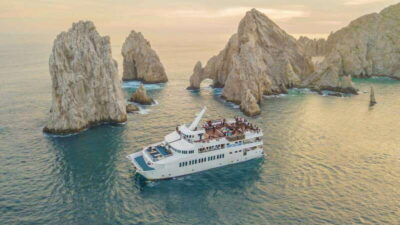
- El Arco from the boat: why that quick stop is worth the wait
- Price and value: is $147 really fair for Cabo scuba?
- What marine life chances look like (and how to set expectations)
- Who this is best for (and who should think twice)
- Practical tips so you enjoy the full day
- Should you book Los Cabos 2 tanks to The Corridor?
- FAQ
- How long is the 2-tank trip?
- Where does the tour start and end?
- What’s included in the price?
- What isn’t included?
- What’s the average depth and bottom time?
- Is this for certified divers?
- Is there a time gap required if I’m flying?
- How many people are on the trip?
- What fitness level do I need?
- What happens if weather is bad?
Key highlights before you go
- Certified-diver friendly plan with two tank sessions and air allowed
- Sea of Cortez current mix for a higher chance at standout marine life
- Max 8 on the boat keeps things calmer and more personal
- Two-site variety mindset (from walls and rocks to areas near Pelican Rock)
- Guide skill shows in the way the dive plan is explained and adjusted for you
- Boat stops for El Arco before the second, shallower tank
Getting from SJD airport to your hotel, sorted
- SJD Airport to Cabo San Lucas – One way service
★ 5.0 · 638 reviews - Los Cabos Whale Watching (Transportation and Pictures Included)
★ 5.0 · 290 reviews - 3-Tank Scuba in Marine Reserve and Corridor for Certified Divers
★ 5.0 · 196 reviews - Cabo Airport Transportation
★ 5.0 · 166 reviews
Two Tank Sessions in The Corridor: what you’ll actually experience
Think of this as a morning-to-early-afternoon scuba schedule that prioritizes seeing a lot without turning it into a rushed endurance contest. You’re doing two tank sessions with a typical average depth around 60 feet, and each one runs about 30 to 45 minutes with air permitted. That timing is long enough for good bottom time, but short enough that you’re not exhausted before the second stop.
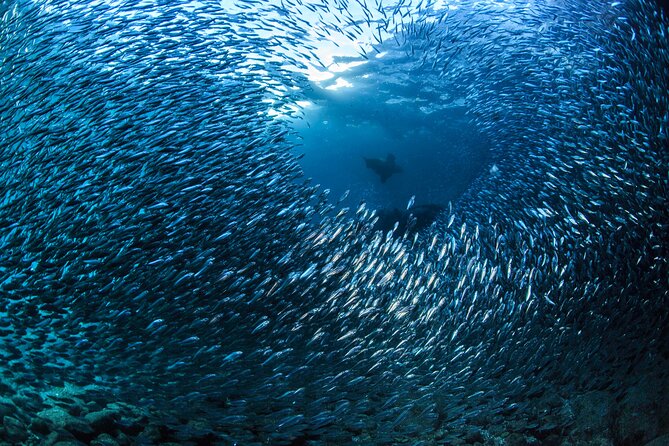
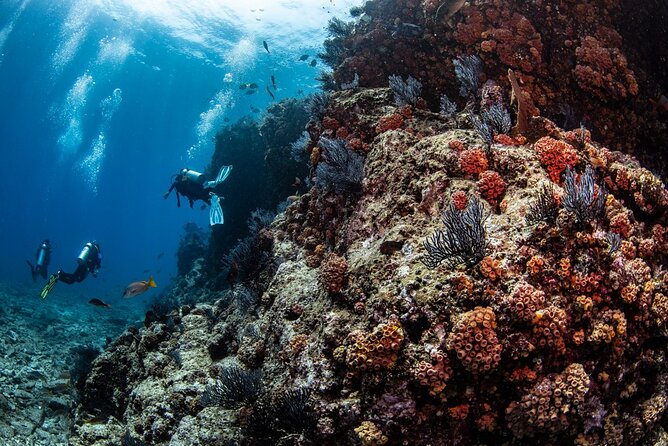
The Corridor idea matters because Los Cabos sits where marine conditions can shift quickly. This area is known for the collision of three marine currents, which helps explain why the animal list can be so broad. You’re not just chasing one species; you’re looking for variety—schools of reef fish, bigger pelagics (when conditions line up), and critters hiding on the rocks.
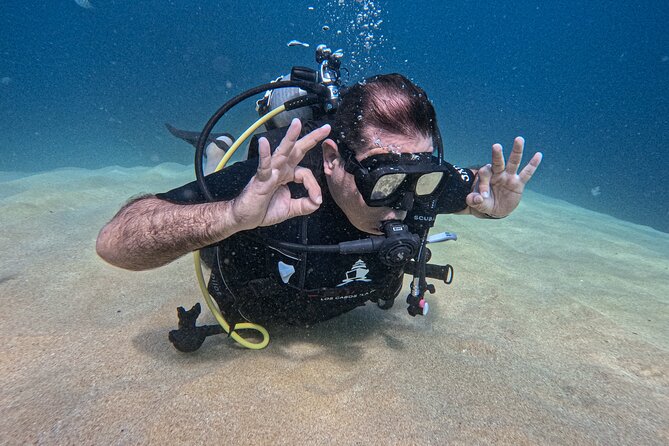
If you care about hands-on guidance, there’s a strong track record with guides such as Angelo, Camila, and Armando, who have been praised for clear planning, comfort-focused pacing, and safety-first decisions. Even if you don’t know what to ask in the moment, a well-run team makes you feel like you can relax and pay attention.
Where the tour goes: Land’s End, walls, and the Pelican Rock zone
You can expect your route to include some of the most common Los Cabos Corridor areas used for scuba. The exact pairing depends on conditions, but here’s the “what you’re aiming at” guide.
Land’s End: when the Sea of Cortez meets the Pacific
Land’s End is the meeting point where the Sea of Cortez influence meets the Pacific. That setup tends to draw in fish like barracudas and other schooling species, and it’s also tied to sightings of manta rays. If you like the feeling of being near a transition zone—where currents bring energy—this is usually where that shows up.
It also pairs well with the idea of seeing more than just open-water fish. There’s mention of a nearby sea lion colony and a shipwreck option that can create memorable underwater landmarks.
Middle Wall: sharks, groupers, and big reef fish
Middle Wall is framed as a place for sharks, groupers, and giant bass. Walls are often where you get that “rock structure + current + visibility” combination. If you prefer watching movement rather than hunting tiny stuff, this is the zone that fits.


North Wall: critters and the smaller stuff you can slow down for
North Wall is described as octopuses, crabs, sea urchins, and seahorses. That means you may trade some of the big-sweeping pelagic excitement for close-up scouting and careful observation. It’s a great match if you enjoy slow scanning and are happy spending extra moments looking at the “details on the rocks.”
Pelican Rock (about 20 minutes from the marina): friendly for all certified levels
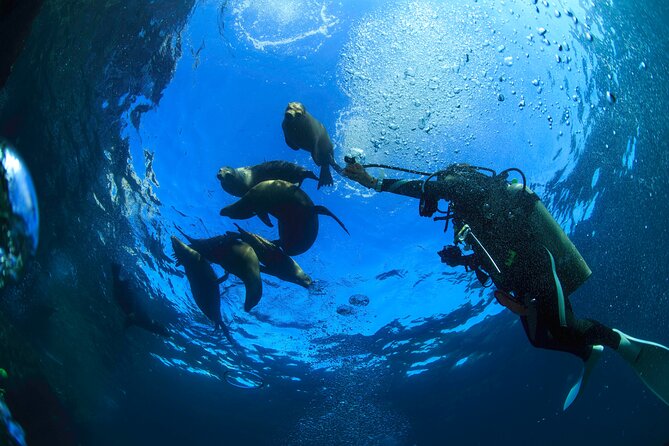
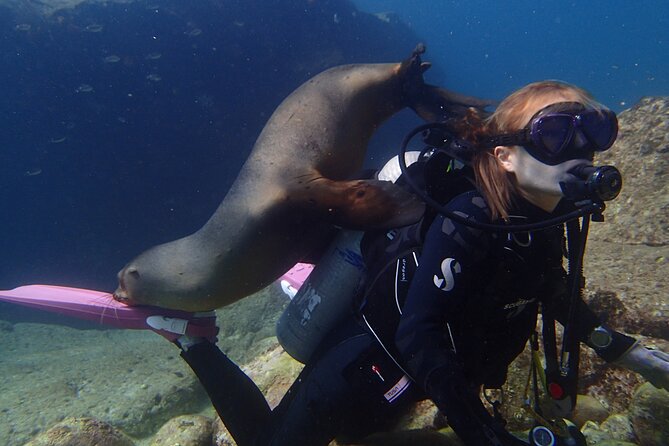
Pelican Rock is the one area called out as good for all divers, and it’s close—about 20 minutes from the marina. It’s tied to manta rays, goatfish, trumpet fish, turtles, and playful sea lions. If you want more confidence that you’ll have fun even if conditions are a little mixed, this stop usually supports that.
Your schedule at water level: the 60-foot rhythm and why the second tank is shallower
Here’s the pacing concept that makes this trip work for a lot of skill levels that are “certified, ready, and comfortable.” The typical plan starts around an average depth of about 60 feet. Each tank is planned for 30 to 45 minutes, and air is permitted.
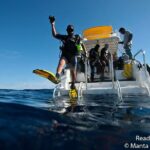
Before the second tank, there’s a quick boat tour around El Arco de Cabo San Lucas. You’re basically getting a landmark moment from the surface, then shifting back into water for the second run. The second session is done shallower than the first one, which usually helps keep your energy steady and makes it easier to enjoy the experience rather than focus on managing fatigue.
If you’re the kind of scuba person who likes structure—briefing, plan, entry, bottom time, and then a controlled return—you’ll probably appreciate how guides like Angelo are described as being transparent about the plan and meticulous about making sure you’re comfortable throughout.
Boat comfort and small-group logistics that actually affect your day
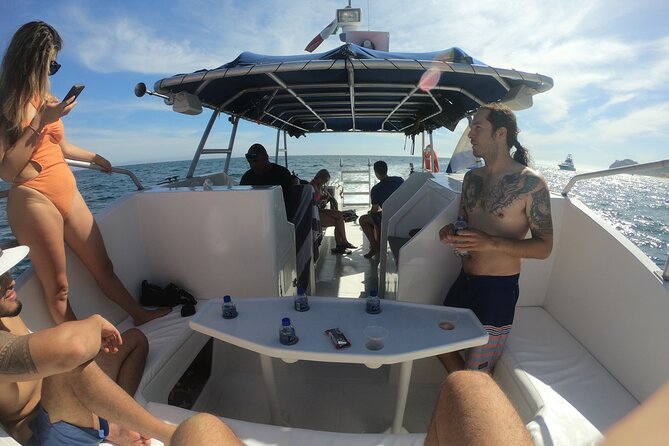
This is a small-group outing with a maximum of 8 travelers. That size matters. Fewer people on the boat often means smoother equipment handling, less waiting, and a guide who can give attention when you need it.
You also get snacks, water + snacks, and a restroom on board. Those sound like minor perks until you’re out in the sun and you realize how much better your mood is when you’re not hungry and thirsty before the first tank.
One thing I like about how Sunrider runs these trips, based on what’s been described, is the way support can match your preference. Some scuba folks like to set up their own gear; others want step-by-step help. The guidance described here includes checks to make sure you don’t miss steps while still letting you enjoy the day.
El Arco from the boat: why that quick stop is worth the wait
El Arco de Cabo San Lucas isn’t just a pretty photo spot. It’s a natural landmark that helps break up the day so you don’t feel like you’re doing one long underwater push with no mental reset.
Since you’re on the water anyway, this surface moment gives you a chance to regroup. You can look for whales and other wildlife that might show from the boat between tanks, too—some trips have been described as having whales in between the underwater sessions. Even when the spotlight species changes, the rhythm of a short surface tour and then a shallower second run is a smart design.
Price and value: is $147 really fair for Cabo scuba?
At $147 per person for a roughly 4-hour outing, the big question is what you’re getting beyond “two tanks.” You do get two scuba tanks, snacks, bottled water, and restroom access on board. For Cabo, that can be a meaningful value because you’re not just buying the tank and guide time—you’re buying a crew setup that keeps the day organized.
Now, the part that can surprise people: you still need to budget extra fees that are not included. There’s a dock fee of $5 per person (cash only) and a park fee of $8 per person (cash only). If you show up without cash, you’ll end up doing the annoying scramble. So plan ahead with a small stack of bills in your pocket.
Also check your gear situation. Rental equipment isn’t included, so if you don’t already have your own mask, fins, and regulator setup, your total cost can move up quickly. If you’re traveling with full gear, the $147 can feel like a straightforward deal. If you need rentals, it may be better to compare your full all-in number with other operators before you commit.
What marine life chances look like (and how to set expectations)
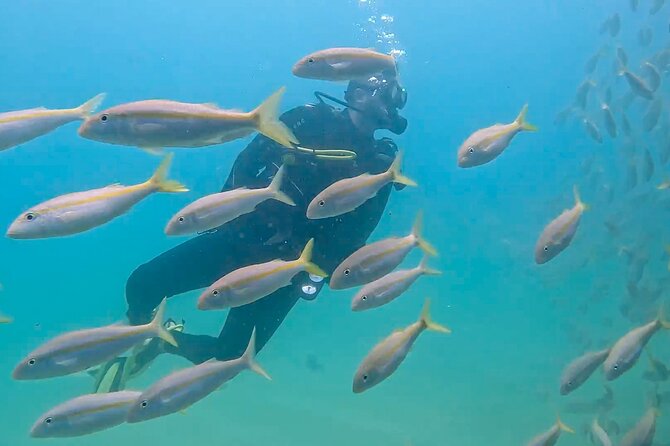
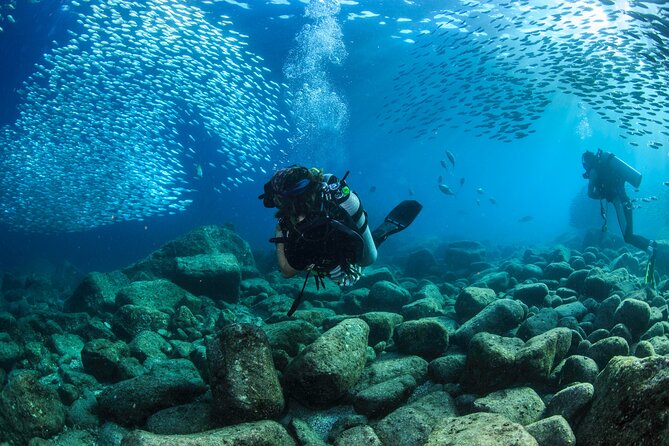
This area is often described as “rich” because it can bring multiple current-driven food chains into the same stretch. That’s why the potential list includes giant manta rays, whale sharks, hammerhead sharks, and dolphins. In practice, animal sightings vary with season and conditions, but the ecosystem is set up so you’re not just looking at one predictable reef.
For reef fish, you might see puffer and parrot fish, plus lots of schooling movement. For underwater behavior, the descriptions include sea lions that can swim near the group almost immediately on some trips—plus rays, eels, starfish, and other rock-dwellers depending on where the route lands.
My advice: treat this trip as a “high variety” outing. You’re not guaranteed a specific species every single time, but the combination of walls + rocks + current-driven zones gives you a real chance at several kinds of sightings in one day.
Who this is best for (and who should think twice)
This is best for you if you’re already a certified scuba participant and you want two planned underwater sessions with a guide who pays attention to comfort and safety. It’s also a good fit if you enjoy structured time—entry, bottom time, exit—without feeling like you’re on a cattle-car boat.
It may be less ideal if you’re dealing with tight schedules around air travel. There’s a 24-hour surface interval after any dive before flying to altitude. If your itinerary has you flying the same day as your scuba day, you’ll need to build in that buffer.
It’s also not the move if your fitness level is low. A strong physical fitness level is recommended, and this is partly because a small boat day plus two tank sessions requires you to move, gear up, and handle water steps with confidence.
Practical tips so you enjoy the full day
- Bring cash for the dock fee and park fee so your day stays smooth.
- If you need rentals, price that into your comparison before you decide.
- Plan your day so you’re rested enough for two tanks. Even experienced scuba folks appreciate having energy left for the second, shallower session.
- If you’re particular about support, say so early. The crew approach described here includes support options that can match how you like to work.
Should you book Los Cabos 2 tanks to The Corridor?
Yes, if you want a two-tank scuba day that balances variety (walls, rocks, and landmark time at El Arco) with a small-group setup. The value looks strong at $147 when you factor in tanks plus snacks and onboard basics, and the guide track record—especially names like Angelo, Camila, and Armando—leans heavily toward safety, clear planning, and keeping you comfortable.
I’d skip it only if cash-only fees and rentals weren’t already on your radar, or if your schedule can’t handle the 24-hour post-dive surface interval before flying. If you can handle those two points, this is the kind of Cabo scuba outing that fits well into a vacation plan without turning into chaos.
FAQ
How long is the 2-tank trip?
It runs about 4 hours (approx.).
Where does the tour start and end?
It starts at Sunrider Tours at Blvd Marina S/N | Int Gali Plaza Local No. 41, Centro, Marina, 23450 Cabo San Lucas, B.C.S., Mexico, and ends back at the same meeting point.
What’s included in the price?
The package includes 2 scuba tanks, snacks, bottled water, and access to a restroom on board. You also get a mobile ticket, and the tour is offered in English.
What isn’t included?
Rental equipment isn’t included. There are also extra cash-only fees: a $5 dock fee per person and an $8 park fee per person.
What’s the average depth and bottom time?
The average depth is around 60 feet, and each tank session lasts about 30 to 45 minutes.
Is this for certified divers?
Yes, this is listed for certified divers.
Is there a time gap required if I’m flying?
Yes. There should be a 24-hour surface interval after any dive before flying to altitude.
How many people are on the trip?
The maximum group size is 8 travelers.
What fitness level do I need?
You should have a strong physical fitness level.
What happens if weather is bad?
The activity requires good weather. If it’s canceled due to poor weather, you’ll be offered a different date or a full refund.